
Pest • variable risk
Aphids
Aphids are sap-feeding insects that can reduce crop growth directly and spread damaging plant viruses if unmanaged.
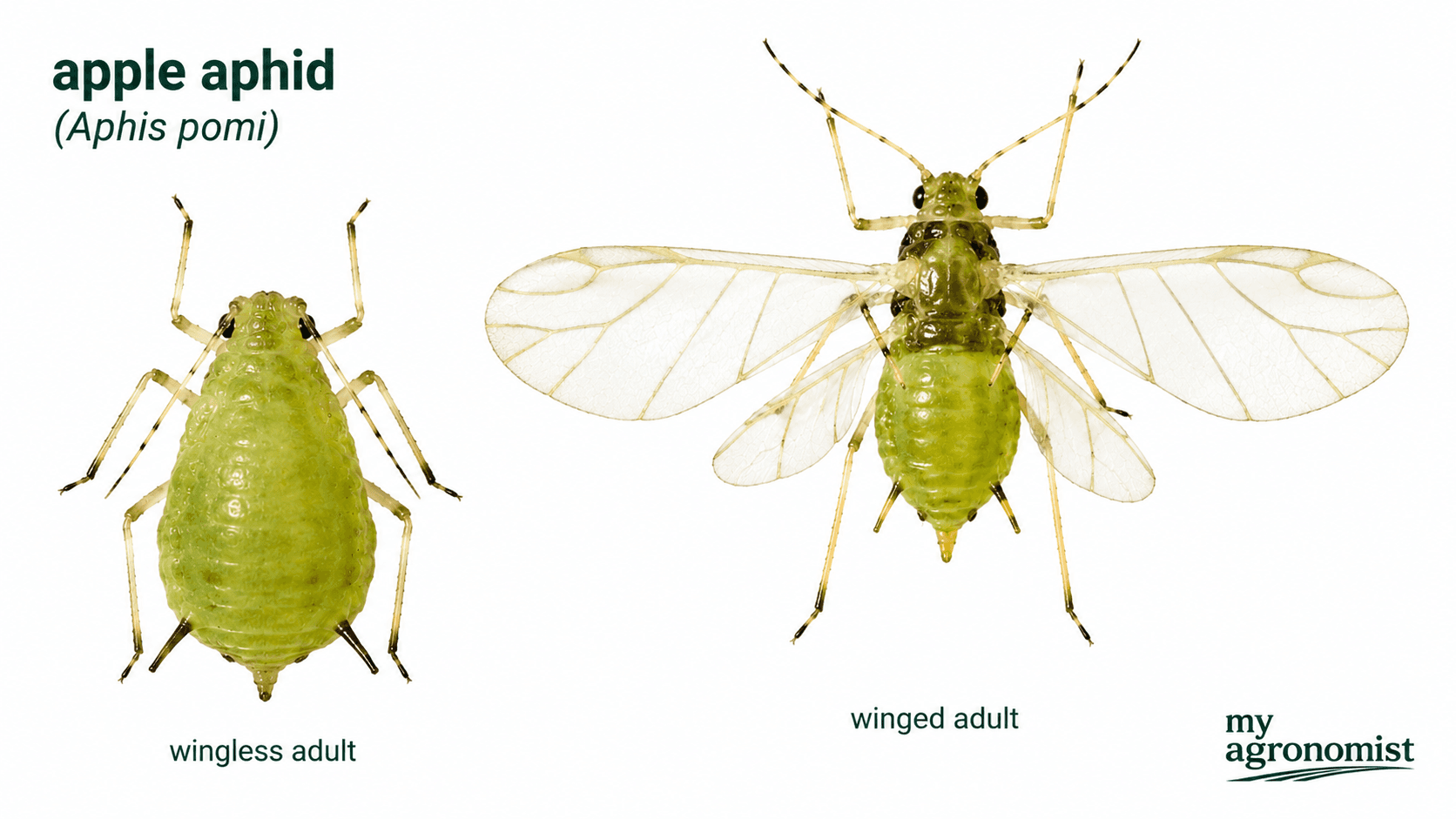
Agronomist summary
- Aphids are small sap-feeding insects that cluster on leaves and stems.
- They reduce vigour and may transmit viruses.
- Early flights can start in spring; risk often increases during warm periods with lush crop growth.
- Look for leaf curling, honeydew, sticky foliage, stunted growth. Confirm in-field before making management decisions.
- Use integrated pest management: monitoring, risk assessment, cultural controls, beneficial insect awareness and label-checked treatment categories where justified.
- Variable by crop, growth stage, weather and local pressure; review before publishing.
Seasonality notes
Early flights can start in spring; risk often increases during warm periods with lush crop growth.
What is it?
Aphids are soft-bodied insects that feed by piercing plant tissue. Different species affect cereals, brassicas and many horticultural crops.
What does it look like?
Most are small (1-3 mm), pear-shaped and found in clusters on leaves or stems. Winged aphids may appear during migration periods.
Signs of damage / identification
- Clusters of green, black or brown aphids on young growth
- Honeydew deposits causing sticky leaves
- Sooty mould on honeydew in denser canopies
- Distorted leaves or reduced tiller vigour
- Patchy virus-like symptoms where vectors are active
When is it active in the UK?
Activity commonly rises from spring onward, with peaks in warm settled weather. Autumn migrations can also be important for virus transmission in cereals.
Why it matters
Yield impact can come from direct feeding and from virus spread. Early unmanaged populations can escalate quickly under favourable conditions.
Pressure tool
Use this as an early warning input, then confirm in-field before treatment decisions.
Tool coming soon.
How to manage or control it
Start with monitoring, beneficial insect awareness and threshold-led decisions. If control is needed, choose products by crop and target aphid species, and always check the latest UK label and stewardship guidance before application.
Cultural/non-chemical options
Prioritise monitoring, prevention, field hygiene, crop competition, establishment quality and rotation choices before considering chemical inputs.
Professional crop protection options
Where professional crop protection is justified, use broad treatment categories only until a BASIS-qualified adviser or responsible reviewer has confirmed the crop, target, timing and current UK approval. Always check the current product label and approval status for crop, target, timing, dose, harvest interval and resistance guidance.
Crop-specific guidance
Cereals: focus on virus-vector periods and crop growth stage. Oilseed rape: monitor crop establishment and edge pressure. Horticulture: inspect frequently due to rapid colony growth.
Frequently asked questions
Do aphids always need spraying?
No. Low populations can be tolerated in many situations; treatment should be based on crop stage, pressure and risk of virus spread.
Can weather reduce aphid pressure?
Yes. Cooler, unsettled periods can slow aphid multiplication, but pressure can rebound when conditions improve.