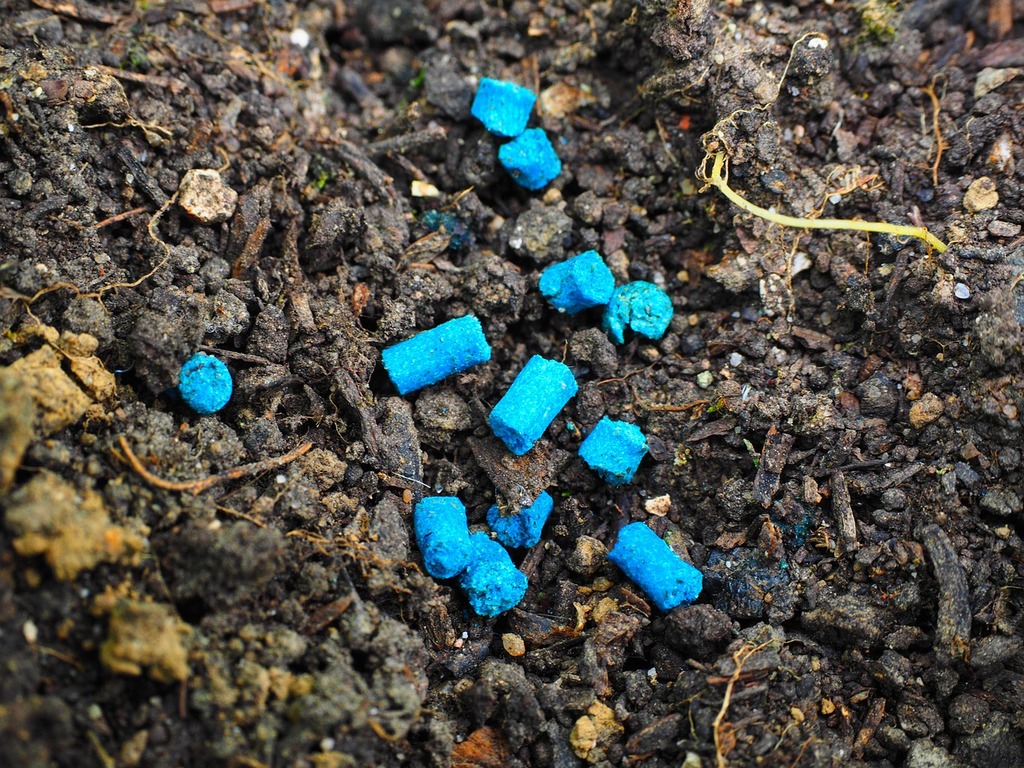
What Is Fertiliser? Soil, Liquid, Seaweed and Nitrogen Fertilisers Explained
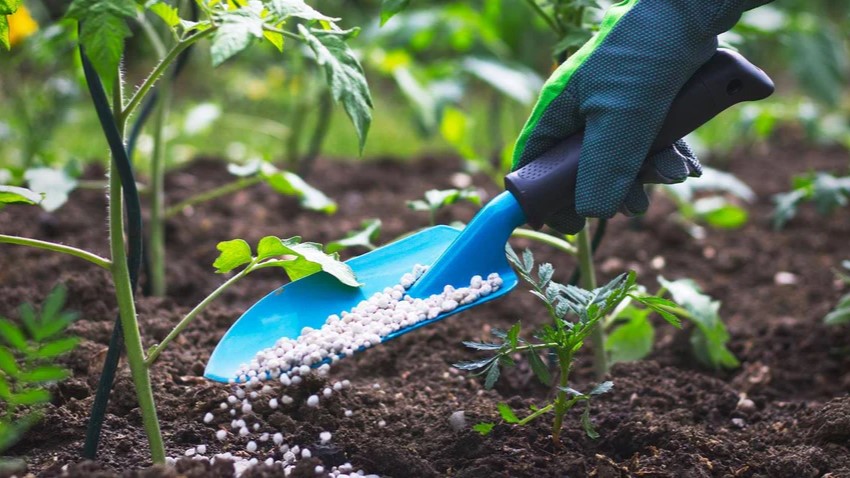
Quick answer: Fertiliser is a product used to supply plants with essential nutrients when the soil cannot provide enough on its own. Most fertilisers focus on nitrogen, phosphorus and potassium, often shown as NPK, but good fertiliser use depends on soil testing, crop need, timing, placement and environmental risk.
Fertiliser plays a major role in farming, horticulture, gardening and food production. Used well, it helps crops and plants grow strongly, corrects nutrient deficiencies and supports reliable yields. Used badly, it can waste money, damage plants, reduce soil balance and increase pollution risk.
The best fertiliser is not simply the strongest product on the shelf. It is the product, rate and application method that matches the plant, soil, season and growing objective.
This guide explains what fertiliser is, how different fertilisers work, and how to think about soil fertiliser, liquid fertiliser, seaweed fertiliser and nitrogen fertiliser in a practical, science-based way.
What is fertiliser?
Fertiliser is a material applied to soil, growing media, plant roots or leaves to supply nutrients that plants need for growth.
The main nutrients most people recognise are:
- Nitrogen, which supports leafy growth, protein formation and crop yield.
- Phosphorus, which supports root growth, energy transfer and early plant development.
- Potassium, which supports water regulation, disease tolerance, crop quality and stress resistance.
These three nutrients are often shown on fertiliser labels as NPK, always in the order nitrogen, phosphorus and potassium.
A fertiliser may be mineral, organic, liquid, granular, slow-release, foliar-applied or soil-applied. These categories describe the source or delivery method. They do not automatically tell you whether the fertiliser is suitable for a particular crop, lawn, garden bed or field.
The key point is this: plants take up nutrients in chemical forms, such as nitrate, ammonium, phosphate and potassium ions. They do not take up nutrients because a product is marketed as “natural”, “synthetic”, “liquid” or “premium”. The plant response depends on nutrient availability, root uptake, soil conditions, timing and application rate.
Fertiliser, soil improver and biostimulant: what is the difference?
These terms are often used together, but they do not mean the same thing.
A fertiliser supplies plant nutrients.
A soil improver changes the condition of the soil. It may improve structure, water retention, drainage, organic matter, biological activity or nutrient-holding capacity.
A biostimulant supports plant processes such as nutrient uptake, stress tolerance or root activity, but its main purpose is not simply to provide nutrients.
This distinction matters because some products are sold in ways that blur the categories. Seaweed products are a good example. Some seaweed products contain nutrients and trace elements, but many are better understood as biostimulants or supplementary feeds rather than complete fertiliser programmes.
For practical purposes, ask one question first:
Am I trying to feed the plant, improve the soil, or support plant performance under stress?
The answer will help you choose the right type of product.
What do NPK numbers mean?
NPK numbers show the relative nutrient content of a fertiliser.
For example, a fertiliser labelled 10-5-5 contains more nitrogen than phosphorus or potassium. A product labelled 5-10-10 contains more phosphorus and potassium relative to nitrogen.
In general:
- Higher nitrogen fertilisers are commonly used where leafy growth is required.
- Higher phosphorus fertilisers may be used where rooting and establishment are priorities.
- Higher potassium fertilisers are often used where flowering, fruiting, crop quality or stress tolerance matter.
However, NPK numbers should not be used in isolation. A high-nitrogen fertiliser is not automatically good, and a balanced NPK fertiliser is not automatically suitable. The right choice depends on soil supply, plant requirement and the reason for applying fertiliser in the first place.
For professional crop production, fertiliser planning should be linked to soil analysis, crop demand, previous applications, expected yield and nutrient removal. For gardens and lawns, the same principle applies at a simpler level: understand what the plant needs before adding more nutrients.
Why fertiliser matters
Plants require nutrients to complete their life cycle. If an essential nutrient is deficient, plant growth, yield or quality will suffer.
Fertiliser can help by:
- correcting nutrient deficiencies
- supporting establishment and root growth
- improving crop yield potential
- maintaining soil nutrient levels after harvest
- supporting lawns, vegetables, flowers, fruit and field crops
- replacing nutrients removed by grazing, cutting or cropping
But fertiliser is not a cure-all. If soil pH is wrong, drainage is poor, compaction is severe, or root growth is restricted, simply adding more fertiliser may not solve the problem.
In many cases, poor plant performance is caused by a combination of factors. Nutrient supply is only one part of the system.
Soil fertiliser: start with the soil
People often search for “soil fertiliser” when they want to improve plant growth, but good soil fertiliser practice starts before choosing a product.
The soil should be the starting point because it controls how nutrients are stored, released and taken up by roots.
Important soil factors include:
- pH
- organic matter
- soil texture
- drainage
- compaction
- existing nutrient levels
- biological activity
- crop or plant history
Soil testing is one of the most useful steps in fertiliser planning. It helps show whether nutrients such as phosphorus, potassium and magnesium are already adequate, low or excessive. It can also show whether pH is limiting nutrient availability.
For UK agricultural nutrient planning, phosphate, potash and magnesium are commonly assessed on a three to five year cycle. Recommendations are then linked to soil indices, crop requirement and expected nutrient removal.
For gardeners, a simpler soil test can still be valuable. It may prevent unnecessary fertiliser use and help identify whether pH, phosphorus, potassium or organic matter should be addressed.
The main lesson is simple:
Good soil fertiliser practice is not about adding more. It is about adding what is needed, when it is needed, and only where it is useful.
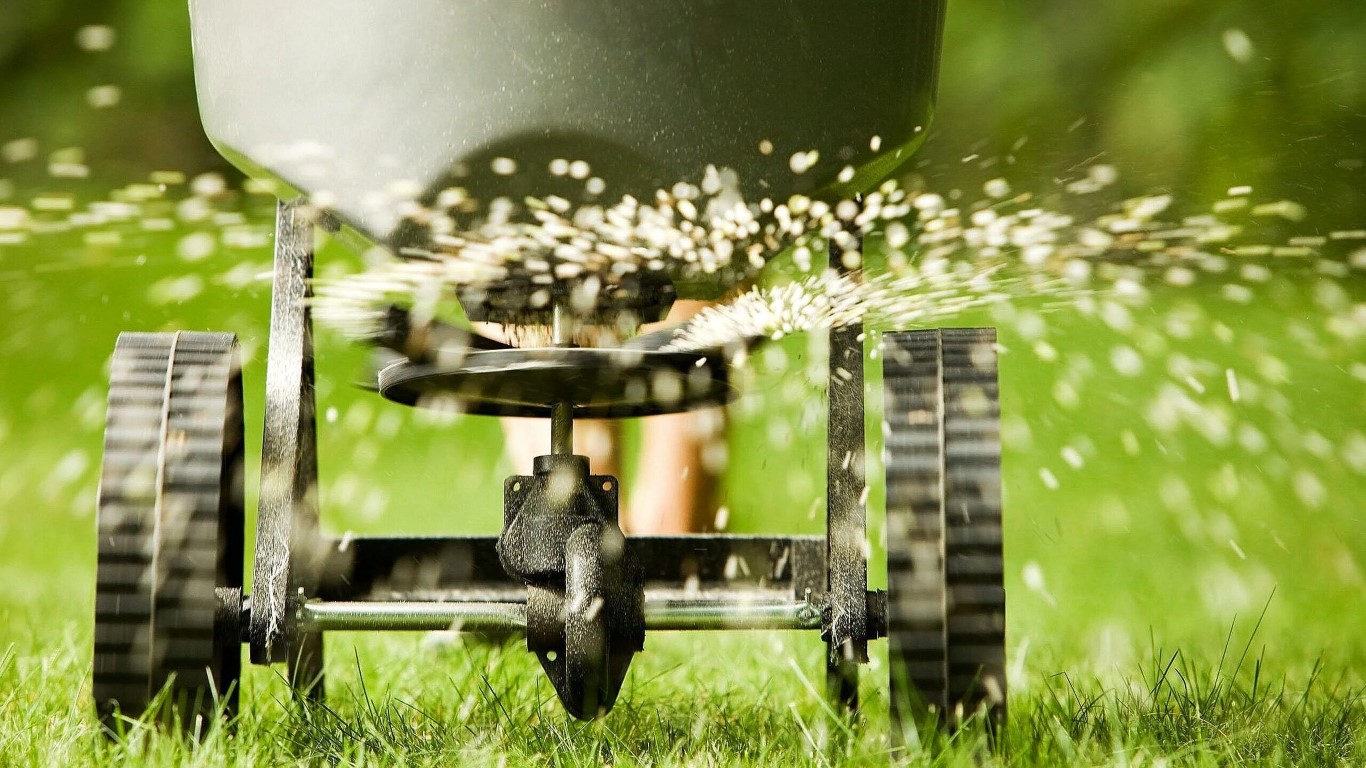
Liquid fertiliser: when is it useful?
Liquid fertiliser is a fertiliser supplied in liquid form. It may be applied to the soil, through irrigation water, or directly to plant leaves as a foliar feed.
Liquid fertilisers can be useful because they are easy to dose, mix and apply evenly. They are often used where rapid nutrient delivery is required, or where fertiliser needs to be applied through irrigation systems.
Common uses include:
- feeding container plants
- fertigation in horticulture
- foliar correction of specific deficiencies
- rapid feeding of lawns or garden plants
- professional crop nutrition programmes
- situations where even coverage is important
However, liquid fertiliser is not automatically better than granular fertiliser. It is mainly a different delivery method.
A liquid feed may act quickly, but it may also need more frequent application. A granular or controlled-release fertiliser may be better where longer-term nutrient supply is required.
Foliar liquid fertiliser can be useful for correcting certain micronutrient deficiencies, but it should not be treated as a full replacement for soil fertility. Plants need large amounts of major nutrients such as nitrogen, phosphorus and potassium, and these are usually best managed through the root zone.
Seaweed fertiliser: fertiliser, biostimulant or both?
Seaweed fertiliser has become popular in gardening, horticulture and some agricultural systems. It is often marketed as a natural way to improve growth, rooting, stress tolerance and plant health.
Seaweed contains nutrients and trace elements, but many seaweed products are not best understood as complete fertilisers. Their value often comes from their role as biostimulants.
Seaweed extracts may support:
- root development
- stress tolerance
- nutrient-use efficiency
- microbial activity
- plant establishment
- recovery after stress
- general plant vigour
This does not mean seaweed fertiliser replaces a balanced nutrient programme. A seaweed feed may support plant performance, but it may not provide enough nitrogen, phosphorus or potassium to meet the full needs of a crop, lawn or productive garden.
The effectiveness of seaweed products can vary depending on:
- seaweed species
- extraction method
- formulation
- application rate
- crop or plant type
- soil condition
- weather and stress conditions
- whether the product is used alone or as part of a broader programme
A sensible way to think about seaweed fertiliser is this:
Seaweed products can be useful supplements, especially for rooting, establishment and stress resilience, but they should not be treated as a universal replacement for proper fertiliser planning.
Nitrogen fertiliser: benefits, risks and best practice
Nitrogen fertiliser is one of the most important nutrient inputs in agriculture and horticulture. Nitrogen supports leafy growth, chlorophyll production, protein formation and crop yield.
It is also one of the nutrients most easily lost from the growing system.
Common nitrogen fertiliser forms include:
- urea
- ammonium nitrate
- calcium ammonium nitrate
- ammonium sulphate
- UAN liquid fertiliser
- organic manures and composts containing nitrogen
Nitrogen can be highly responsive, especially in crops and lawns, but it needs careful management. Too little nitrogen can limit growth and yield. Too much nitrogen can cause soft growth, lodging, poor crop quality, excess nitrate accumulation, leaching, volatilisation and increased environmental risk.
Nitrogen can be lost through several pathways:
- Leaching, where nitrate moves below the root zone.
- Volatilisation, where ammonia gas is lost from surface-applied urea or manure.
- Denitrification, where nitrogen is converted to gases under wet or anaerobic soil conditions.
- Runoff, where nutrients move from land into watercourses.
Good nitrogen fertiliser practice includes:
- matching rate to realistic plant or crop demand
- timing applications close to crop uptake
- splitting applications where appropriate
- avoiding application before heavy rain
- accounting for organic manures and previous crop residues
- considering soil temperature and moisture
- incorporating or washing in urea where suitable
- using inhibitors where they are justified
- avoiding blanket applications where soil or crop demand varies
The aim is not simply to apply nitrogen. The aim is to keep nitrogen available to the plant while reducing losses.
Organic vs synthetic fertiliser: which is better?
Organic and synthetic fertilisers are often presented as opposites, but the reality is more balanced.
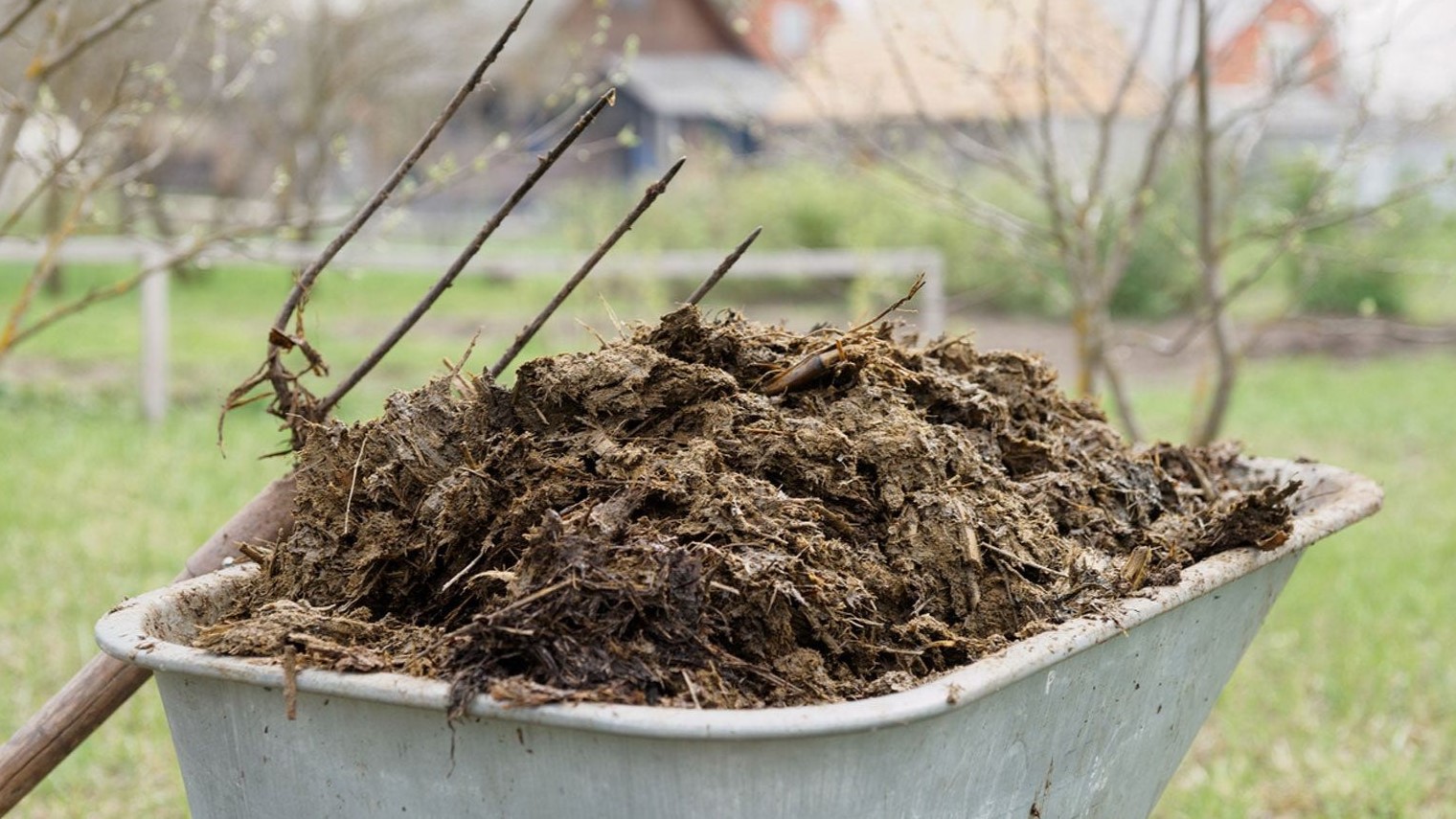
Organic fertilisers and manures can improve soil organic matter, biological activity and soil structure. They may also release nutrients more slowly. Examples include compost, farmyard manure, poultry manure, digestate, blood fish and bone, and other plant or animal-derived materials.
Synthetic or mineral fertilisers usually provide nutrients in more concentrated and predictable forms. They can be easier to dose accurately and can deliver specific nutrients at known rates.
Neither category is automatically better in every situation.
Organic materials can improve soil condition, but they can also cause nutrient problems if used repeatedly without testing. Phosphorus and nitrogen can build up to excessive levels, increasing the risk of runoff and leaching.
Mineral fertilisers can be efficient and precise, but they can also cause losses or environmental harm if applied at the wrong rate, time or place.
The best approach is often integrated nutrient management. This means using organic sources, mineral fertilisers, soil testing, crop demand and environmental risk together, rather than treating fertiliser choice as an ideology.
Best practice: the 4R fertiliser principle
One of the most useful frameworks for fertiliser management is the 4R principle:
- Right source
- Right rate
- Right time
- Right place
This is a simple framework, but it captures most of what matters.
Right source
Choose the fertiliser type that matches the nutrient requirement, soil condition and application method.
For example, a nitrogen deficiency requires a nitrogen source, not a general-purpose product chosen at random. A low-potassium soil may need potash. A stressed plant may benefit from a biostimulant, but that is not the same as correcting a major nutrient deficiency.
Right rate
Apply enough to meet plant demand, but not so much that nutrients are wasted or lost.
The correct rate depends on soil test results, crop requirement, expected yield, previous applications and nutrient removal.
For gardens, this means following label rates carefully and avoiding the assumption that “more is better”.
Right time
Apply fertiliser when plants can use it.
Nitrogen applied too early may be lost before the crop needs it. Fertiliser applied before heavy rain may increase leaching or runoff risk. Foliar feeds applied under hot or stressful conditions may increase scorch risk.
Timing should match plant demand and weather conditions.
Right place
Put nutrients where plants can access them and where losses are minimised.
For some nutrients and systems, this may mean placement near the root zone. For others, it may mean incorporation, banding, fertigation or avoiding application near watercourses.
The 4R principle is useful because it shifts the question from “what is the best fertiliser?” to “what is the best fertiliser decision for this situation?”
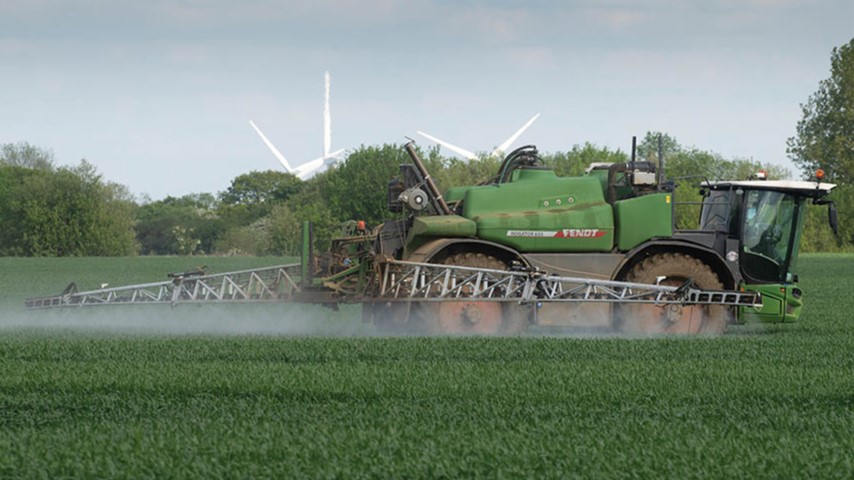
Environmental risks of poor fertiliser use
Fertiliser can support productive farming and gardening, but poor use can create environmental harm.
The main risks include:
- nitrate leaching into groundwater
- phosphorus runoff into rivers and lakes
- ammonia volatilisation from urea and manures
- nitrous oxide emissions from nitrogen cycling
- eutrophication of water bodies
- soil acidification in some systems
- unnecessary carbon cost from wasted inputs
Excess fertiliser is not just an environmental problem. It is also an economic problem. Nutrients that are lost from the system are nutrients that have been paid for but not used by the crop.
For farmers and land managers in England, fertiliser and manure applications should also be considered alongside the Farming Rules for Water and other relevant environmental requirements. Applications should be planned so they do not exceed crop and soil need or create a significant risk of diffuse pollution.
For gardeners, the same principle applies in a simpler way. Avoid overfeeding, keep fertiliser away from drains and watercourses, follow label instructions, and do not apply fertiliser when heavy rain is likely to wash it away.
How to choose the right fertiliser
Choosing the right fertiliser starts with the problem you are trying to solve.
Ask these questions before buying or applying fertiliser:
-
What plant or crop am I feeding?
A lawn, wheat crop, tomato plant, hedge, fruit tree and container plant all have different needs. -
What growth stage is it at?
Establishment, vegetative growth, flowering, fruiting and recovery all place different demands on the plant. -
What does the soil already contain?
Soil testing helps prevent unnecessary or unbalanced applications. -
Is the problem definitely a nutrient deficiency?
Poor growth can also be caused by drought, waterlogging, compaction, pests, disease, shade or pH problems. -
Do I need fast or slow nutrient release?
Liquid feeds and soluble fertilisers may act quickly. Organic materials and controlled-release products may act more slowly. -
Is there an environmental risk?
Avoid fertiliser application before heavy rain, near watercourses, or where the soil is saturated, frozen or compacted. -
What does the product label say?
Label rates, application intervals and safety instructions matter.
A good fertiliser decision is specific. It matches the plant, soil, timing, product and objective.
Fertiliser type comparison
| Fertiliser type | Main use | Strength | Limitation |
|---|---|---|---|
| Soil-applied fertiliser | Building or maintaining nutrient levels | Supports root-zone nutrition | Needs soil testing for best results |
| Liquid fertiliser | Rapid feeding, fertigation or foliar correction | Easy to dose and apply evenly | Not automatically better than granular fertiliser |
| Seaweed fertiliser | Supplementary feeding and biostimulation | May support rooting, vigour and stress tolerance | Usually not a complete nutrient programme |
| Nitrogen fertiliser | Supporting leafy growth and yield | Often gives strong crop response | High loss risk if poorly timed or over-applied |
| Organic manure or compost | Nutrient supply and soil improvement | Adds organic matter and nutrients | Nutrient release is variable and can overload soil |
| Controlled-release fertiliser | Longer-term feeding | Reduces application frequency | More expensive and still needs correct rate |
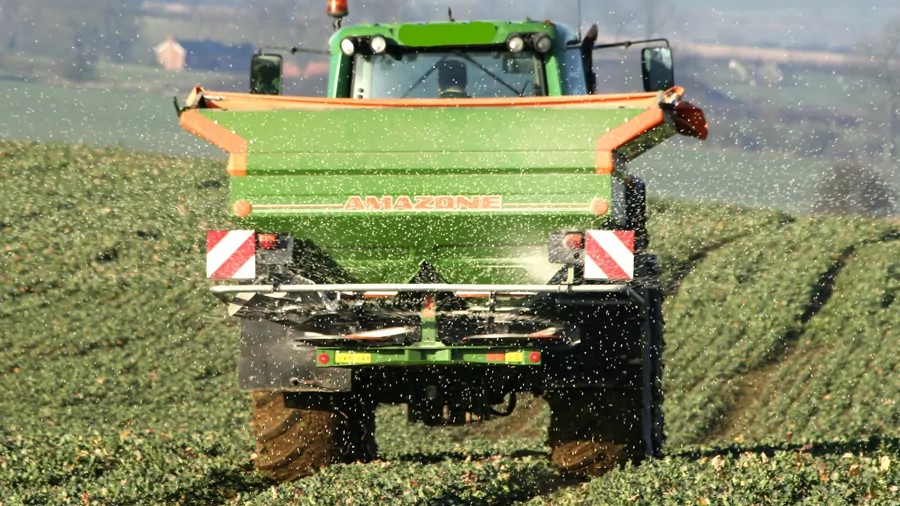
Common fertiliser mistakes
Applying fertiliser without knowing what is needed
This is one of the most common mistakes. If the soil already has enough phosphorus or potassium, adding more may not help growth and may increase environmental risk.
Using fertiliser to solve non-nutrient problems
Yellow leaves, poor growth or weak plants are not always caused by nutrient deficiency. They may be caused by poor drainage, root damage, pests, disease, drought, compaction or unsuitable pH.
Overusing nitrogen
Nitrogen can create a visible growth response, which makes it tempting to overuse. But too much nitrogen can produce soft growth, increase disease susceptibility, reduce quality and increase nutrient losses.
Treating seaweed fertiliser as a complete feed
Seaweed products can be useful, but most should be seen as supplements or biostimulants rather than replacements for balanced nutrition.
Ignoring timing and weather
Fertiliser applied before heavy rain, during drought stress, or when plants are not actively growing is less likely to be used efficiently.
Fertiliser FAQs
What is fertiliser used for?
Fertiliser is used to supply plants with nutrients that may be lacking in the soil or growing media. It can support growth, rooting, flowering, fruiting, crop yield and recovery from nutrient deficiency.
What is the difference between fertiliser and compost?
Fertiliser is mainly used to supply nutrients. Compost is mainly used to improve soil condition, although it may also contain nutrients. Compost can improve organic matter, structure and water-holding capacity, while fertiliser usually provides a more targeted nutrient input.
Is liquid fertiliser better than granular fertiliser?
Liquid fertiliser is not automatically better. It can be useful for rapid feeding, accurate dosing, fertigation and foliar application. Granular fertiliser may be better for longer-lasting soil feeding. The better option depends on the plant, soil, timing and application method.
Is seaweed fertiliser enough on its own?
Usually not. Seaweed fertiliser can support root growth, stress tolerance and plant vigour, but it is not normally a complete nutrient programme. It is best used as a supplement alongside good soil fertility management.
What does nitrogen fertiliser do?
Nitrogen fertiliser supports leafy growth, chlorophyll production, protein formation and yield. It is especially important in many crops and lawns, but it must be managed carefully because nitrogen is easily lost through leaching, volatilisation and denitrification.
Can too much fertiliser harm plants?
Yes. Too much fertiliser can scorch roots or leaves, create soft or weak growth, disrupt nutrient balance and increase pollution risk. More fertiliser does not always mean more growth.
Should I test my soil before applying fertiliser?
For productive gardens, lawns and agricultural crops, soil testing is strongly recommended. It helps identify nutrient levels, pH issues and whether fertiliser is actually needed.
What is the best fertiliser?
There is no single best fertiliser for every situation. The best fertiliser depends on the plant, soil test results, nutrient requirement, growth stage, application method and environmental risk.
Final thoughts
Fertiliser is best understood as part of a nutrient management system, not just a product choice.
A good fertiliser programme starts with the soil, considers what the plant actually needs, and uses the right product at the right rate, time and place. That applies whether you are choosing a nitrogen fertiliser for a crop, a liquid fertiliser for fast feeding, a seaweed fertiliser for plant vigour, or a soil fertiliser strategy for long-term fertility.
The most reliable results come from balance: enough nutrition to support healthy growth, but not so much that nutrients are wasted, plants are damaged or the environment is put at risk.
For MyAgronomist readers, the practical takeaway is simple:
Test where possible, diagnose before applying, follow the label, and treat fertiliser as a precision input rather than a quick fix.