Why Border Collies Still Dominate British Farms
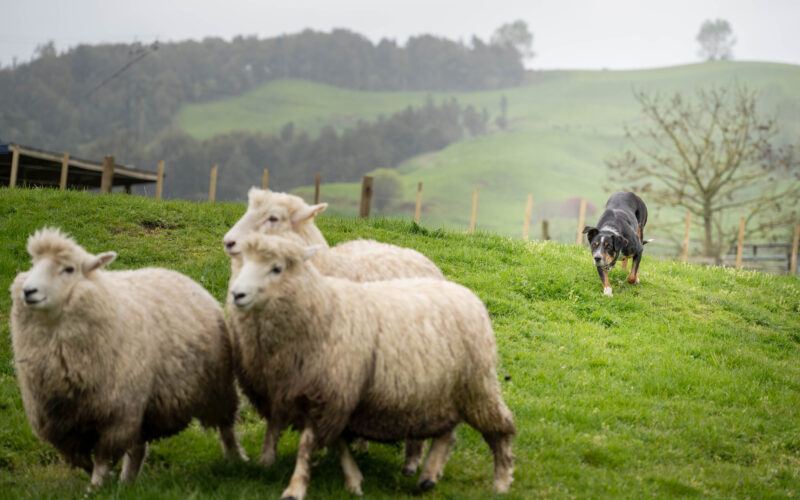
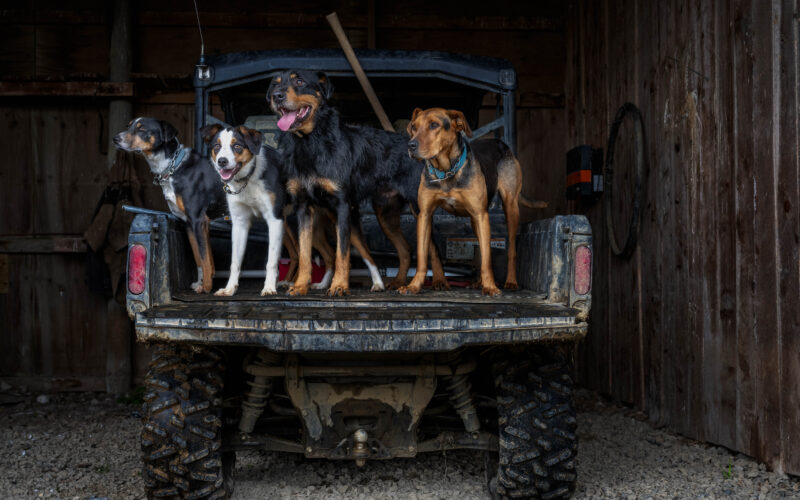
Across the British countryside, some sights never really change. Tractors working through fields, swallows returning in spring and a border collie sitting patiently on the back of a pickup are all part of rural life that feels deeply familiar.
Despite huge advances in machinery, technology and modern farming systems, the border collie remains one of the most valuable working animals on British farms. From large upland sheep units to smaller mixed farms and smallholdings, they continue to dominate as the go to farm dog for generations of farmers.
But in a world of GPS steering, drones and precision agriculture, why does this traditional working dog still hold such an important place in modern farming?
Built for the British countryside
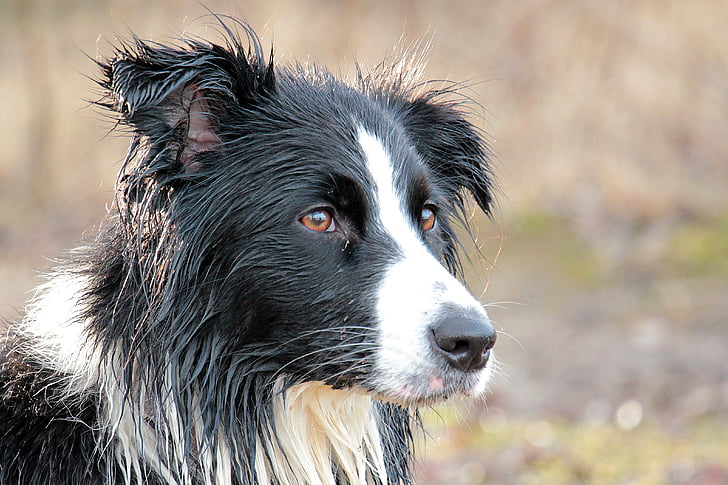
The border collie is perfectly suited to the demands of British farming and rural life. Originally bred for sheep work in the hills and borders between Scotland and England, the breed developed around intelligence, stamina and responsiveness rather than appearance.
That heritage still shows today.
Working farm dogs often need to cover huge distances across difficult terrain in all weather conditions. A good border collie can move sheep calmly, work independently when needed and respond instantly to commands over long distances.
For many livestock farmers, particularly sheep farmers, a trained dog can save enormous amounts of time and physical effort during gathering, sorting and handling.
It is one reason searches such as “best farm dogs”, “working farm dogs” and “sheepdog breeds UK” continue to perform strongly online. Even people outside agriculture are increasingly fascinated by the relationship between farmers and their dogs.
Intelligence that stands out
One of the biggest reasons border collies continue to dominate British farms is their intelligence.
They are widely regarded as one of the smartest dog breeds in the world and can quickly learn complex commands, routines and patterns. Many working dogs understand whistles, hand signals and verbal instructions with remarkable accuracy.
That intelligence becomes especially valuable during busy periods such as lambing, harvest and livestock movements where quick decision making matters.
However, experienced owners often point out that intelligence cuts both ways.
Border collies need mental stimulation and purpose. Without enough work, exercise or engagement they can become bored and destructive. This is one reason many rural dog experts caution against buying a working breed purely because of appearance or social media trends.
Searches such as “how much exercise does a border collie need” and “are border collies good family dogs” have grown significantly in recent years as more people become interested in countryside breeds.
More than just sheepdogs
Although border collies are best known for sheep work, their role on farms has evolved.
Today many are used as general farm dogs, accompanying farmers around yards, helping move cattle, riding in tractors and acting as daily companions during long working hours.
For many outdoor workers, dogs become part of routine life. Landscapers, gardeners, gamekeepers and contractors often favour intelligent active breeds because they naturally adapt to outdoor working environments.
The rise in searches around “dogs for outdoor workers” and “best dog for rural life” reflects this wider countryside lifestyle trend.
A border collie is often happiest when included in daily activity rather than left alone for long periods.
The connection between farmers and dogs
Perhaps one reason border collies remain so dominant is the bond they create with handlers.
Good sheepdogs are not simply trained tools. Many farmers describe them more as trusted working partners. On busy farms where people may spend long hours working alone, dogs provide company, routine and consistency.
There is increasing recognition across agriculture that dogs can also positively support mental wellbeing in farming communities.
Rural isolation, weather pressure and financial stress are realities many farmers quietly deal with. A dog waiting at the yard gate every morning or sitting beside a quad bike during lambing can become far more important than many people outside farming realise.
This emotional connection is one reason working farm dogs are so valued even as farming systems modernise.

Training starts early
A good farm dog rarely happens by accident.
Most experienced handlers begin training border collie puppies from an early age with basic obedience, recall and confidence building before introducing livestock gradually.
Patience matters. Young dogs pushed too hard too early can lose confidence or develop poor habits around stock.
Searches for “farm puppy training” and “how to train a sheepdog” continue growing online as younger generations become interested in working dogs and rural lifestyles.
Many trainers recommend focusing first on trust and responsiveness before advanced sheep work begins.
Challenges facing modern working dogs
Although border collies remain hugely popular, modern rural life also creates challenges for the breed.
Road traffic around farms has increased significantly and many dogs now work around larger machinery and busier environments than in previous generations.
Heatstroke in dogs is also becoming a growing issue during warmer British summers, especially for highly active working breeds that will continue running long after they should rest.
Ticks on dogs UK wide are another increasing concern, particularly around field margins and rough grazing land.
Farmers and outdoor workers are also becoming more aware of issues such as grass seeds in dogs, paw injuries during harvest and livestock safety responsibilities.
Despite this, the border collie continues adapting remarkably well to changing countryside life.
Why the breed is unlikely to disappear
Many dog breeds become fashionable for a few years before fading in popularity. Border collies are different.
Their reputation has been built over generations through practicality, reliability and genuine working ability rather than trends alone.
While technology continues transforming agriculture, there are still situations where a skilled dog can outperform machinery. Moving sheep calmly across difficult terrain remains one of them.
For many farmers, a good dog is not seen as optional. It is simply part of how the farm operates.
That is why border collies remain not only one of the best farm dogs in Britain, but also one of the clearest symbols of working countryside life itself.