Can Slug Pellets Harm Dogs? What Every Grower Needs To Know
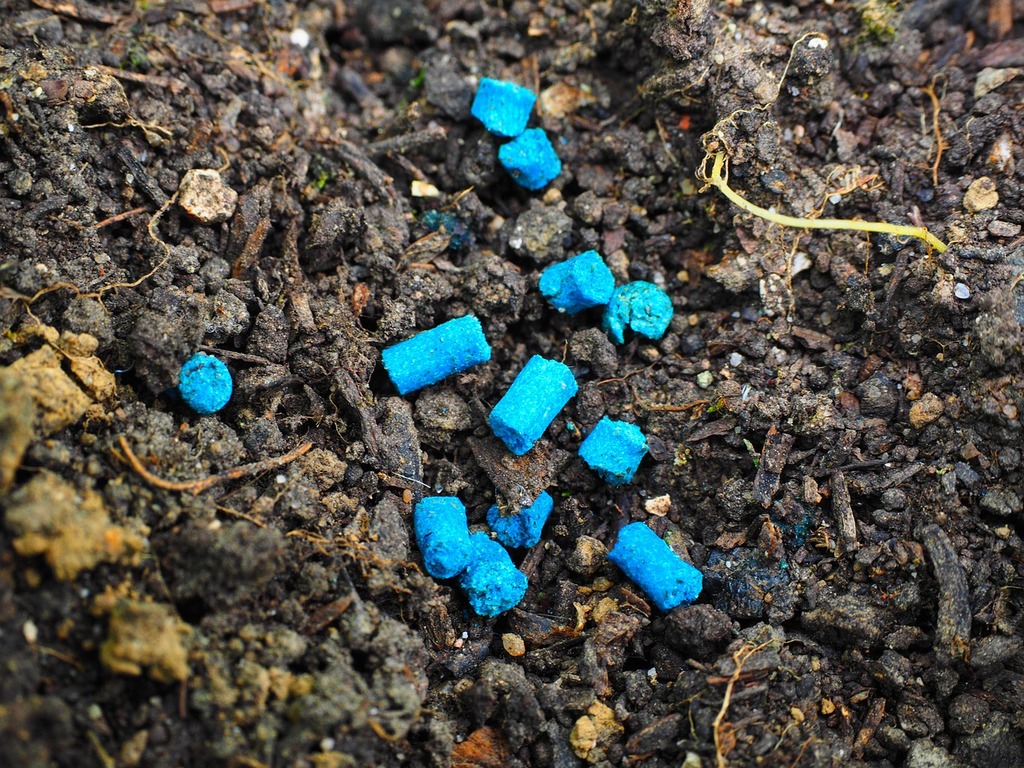
Few countryside topics create more confusion among dog owners than slug pellets.
Every year, particularly during wet weather and drilling season, searches such as “slug pellets and dogs”, “are slug pellets poisonous to dogs” and “can dogs eat slug pellets” rise sharply across the UK.
For farmers, gardeners, landscapers and rural households where dogs spend large amounts of time outdoors, understanding the difference between older and modern slug control products has become increasingly important.
The good news is that slug pellet technology has changed significantly in recent years. However, many people are still unaware of what those changes actually mean for pets and wildlife.
Why slug pellets became controversial
For many years, metaldehyde slug pellets were widely used across UK agriculture and gardens to control slugs and snails.
While effective against slugs, metaldehyde also carried serious risks to pets, wildlife and watercourses if misused or accidentally consumed.
Dogs are particularly vulnerable because pellets can sometimes smell attractive to them. Even relatively small amounts of metaldehyde could cause severe poisoning symptoms including:
- tremors
- seizures
- overheating
- vomiting
- collapse
Unfortunately, many dog owners still associate all slug pellets with these historic risks.
Searches for “slug pellet poisoning dogs” continue to remain high online because awareness of older products still shapes public perception today.
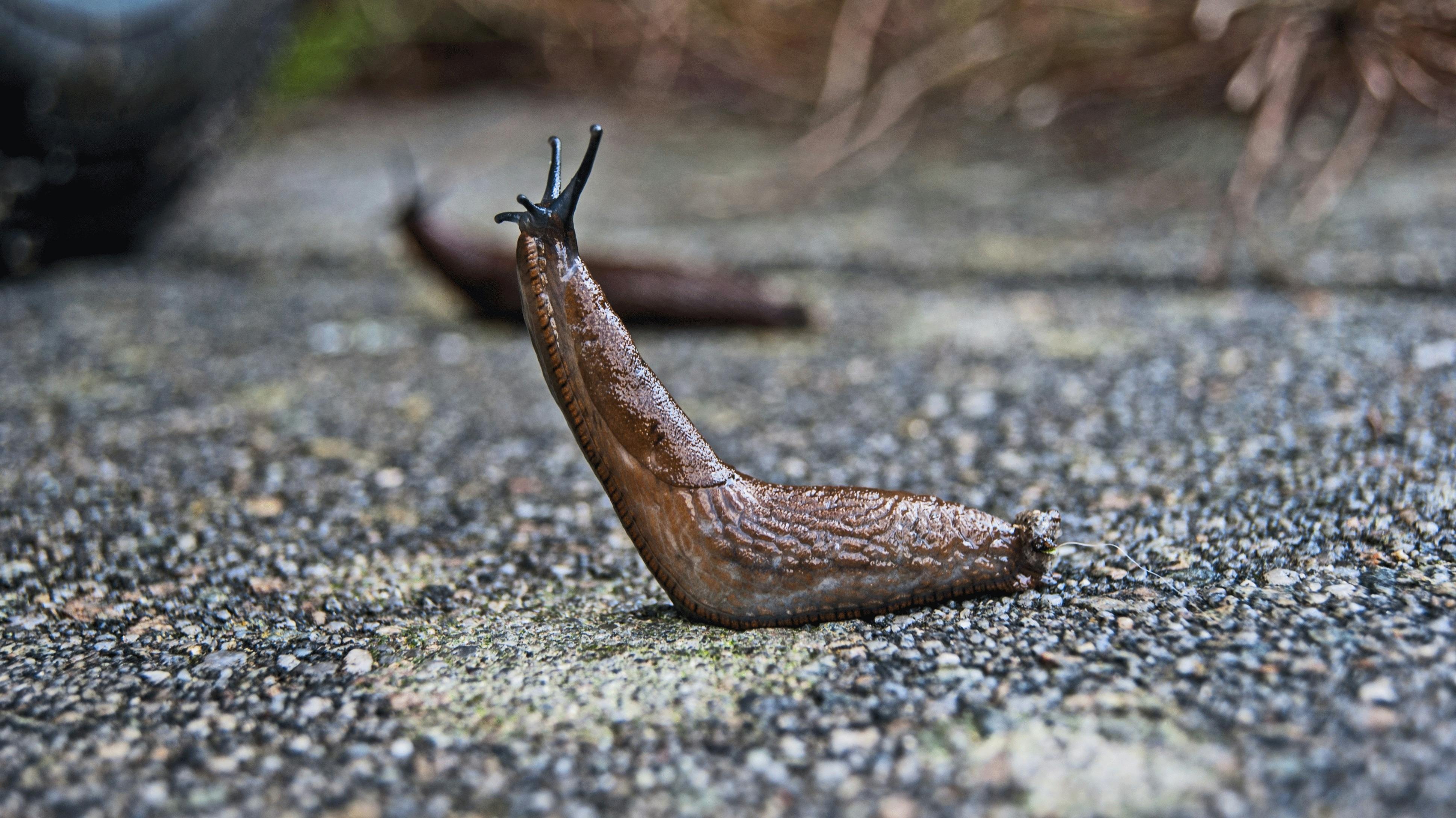
The move toward ferric phosphate slug pellets
Modern agriculture has shifted heavily toward ferric phosphate slug pellets following increasing environmental restrictions and the outdoor ban on metaldehyde in the UK.
Ferric phosphate works very differently.
Once consumed by slugs, feeding stops and the pests retreat underground, reducing visible surface slime and crop damage.
Ferric phosphate slug pellets are generally considered significantly safer for pets, wildlife and the wider environment when used correctly according to label instructions.
This transition has been particularly important for farms, gardens and outdoor spaces where dogs regularly spend time.
Searches such as “ferric phosphate slug pellets dogs” and “pet safe slug pellets UK” have grown as more people try to understand the difference between products.
Does that mean dogs can eat ferric phosphate slug pellets?
Even though ferric phosphate slug pellets are regarded as much safer than historic metaldehyde products, dogs should still never be encouraged or allowed to eat any agricultural or garden product directly.
Large quantities of almost anything unfamiliar can upset a dog’s digestive system.
Packaging, additives and concentrated ingredients may still cause stomach irritation or illness if consumed excessively.
Good practice remains exactly the same:
- store products securely
- clean up spillages
- follow label recommendations
- supervise dogs around treated areas where possible
For most responsible growers and dog owners, sensible storage and application habits already reduce the risk dramatically.

Why the confusion still exists
Part of the reason confusion around slug pellets and dogs remains so widespread is because public understanding has not fully caught up with changes in the industry.
Many online articles and social media discussions still refer to outdated products or fail to clearly explain the difference between active ingredients.
At the same time, countryside dog owners are understandably cautious. Farmers, gardeners and outdoor workers often spend long days outside with dogs alongside them, particularly during autumn drilling and wet weather periods when slug pressure rises.
Searches for “dog safe slug pellets”, “working farm dogs” and “countryside dog safety” all connect strongly to this wider concern around rural pet safety.
Slug pressure and modern farming
Slugs remain one of the biggest pest challenges in many UK crops, particularly oilseed rape, cereals and potatoes.
Wet conditions, reduced cultivation systems and higher residue levels can all increase slug pressure significantly.
As a result, slug management remains an important part of modern crop production for many growers.
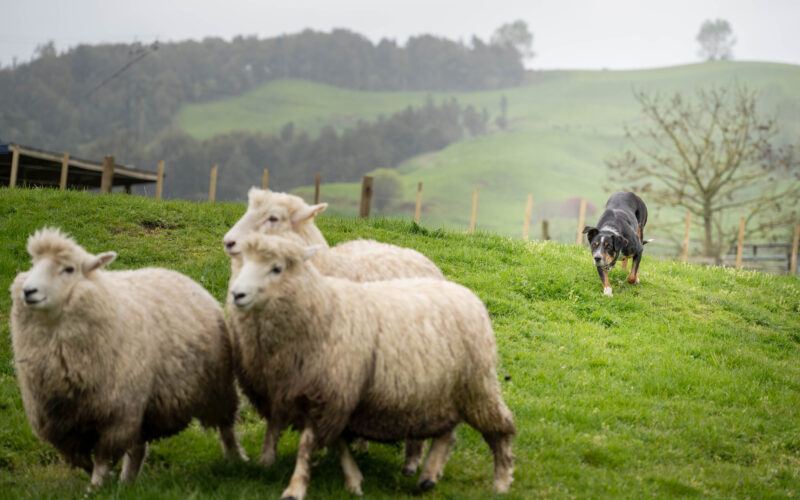
Farm dogs and working dogs naturally spend time close to fields, yards and machinery during these periods, making clear understanding around product safety especially important.
This is one reason ferric phosphate products have become increasingly popular across British agriculture.
Dogs and gardens
The conversation is not limited to farms.
Gardeners and landscapers also frequently search for information around slug pellets and pets, particularly during spring and autumn.
Many people now specifically look for “pet safe slug pellets UK” before buying products for domestic gardens.
Awareness around wildlife friendly gardening and pet safety has grown hugely over recent years, influencing purchasing decisions well beyond agriculture.

What dog owners should watch for
Regardless of product type, owners should always monitor dogs carefully if they may have eaten something unusual outdoors.
Potential warning signs can include:
- vomiting
- tremors
- excessive panting
- lethargy
- confusion
- diarrhoea
- unusual behaviour
If owners suspect poisoning or product ingestion, veterinary advice should always be sought quickly.
Keeping product packaging available can also help vets identify ingredients more easily if treatment is needed.
A more informed conversation around countryside safety
The reality is that modern countryside life involves many different seasonal hazards for dogs.
Ticks on dogs UK wide are increasing, grass seeds in dogs remain a major summer issue and heatstroke in dogs during harvest is becoming more common during warmer weather.
Slug pellets are simply one part of this wider conversation around countryside dog safety.
Fortunately, awareness, stewardship and product technology have all improved significantly in recent years.
For farmers, gardeners and rural dog owners alike, understanding the difference between older metaldehyde products and modern ferric phosphate slug pellets is an important step toward more informed conversations around pet safety and modern agriculture.