Tick Season Is Getting Worse: What Rural Dog Owners Need To Know

For many people living and working in the countryside, checking dogs for ticks has become an increasingly normal part of daily life.
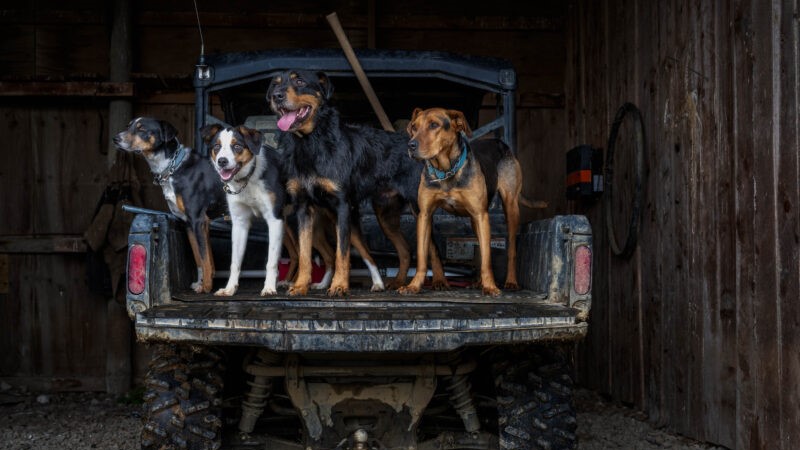
Whether it is a border collie running through sheep pasture, a working cocker spaniel hunting through rough grass or a labrador joining long summer walks, ticks on dogs are becoming far more common across the UK countryside than many owners remember even a decade ago.
Milder winters, changing weather patterns and growing wildlife populations are all believed to be contributing to rising tick numbers across rural Britain. For farmers, gardeners, gamekeepers, landscapers and outdoor workers who spend long periods outside with dogs, awareness of the risks has never been more important.
Why ticks are becoming more common in the UK
Ticks thrive in damp vegetation, rough grassland, woodland edges and field margins. Areas that are now increasingly common across conservation schemes, stewardship land and unmanaged corners of the countryside.
Many dog owners still associate ticks mainly with forests, but they are now regularly found in pasture fields, bridleways, cover crops, hedge lines and even suburban green spaces.
Searches such as “ticks on dogs UK”, “how to remove ticks from dogs” and “tick season UK” have risen sharply in recent years, particularly during spring and summer.
For working farm dogs and countryside dogs covering large distances every day, exposure risk naturally increases.
Dogs that spend time around livestock, deer habitats or long grass are particularly vulnerable.
What ticks actually do
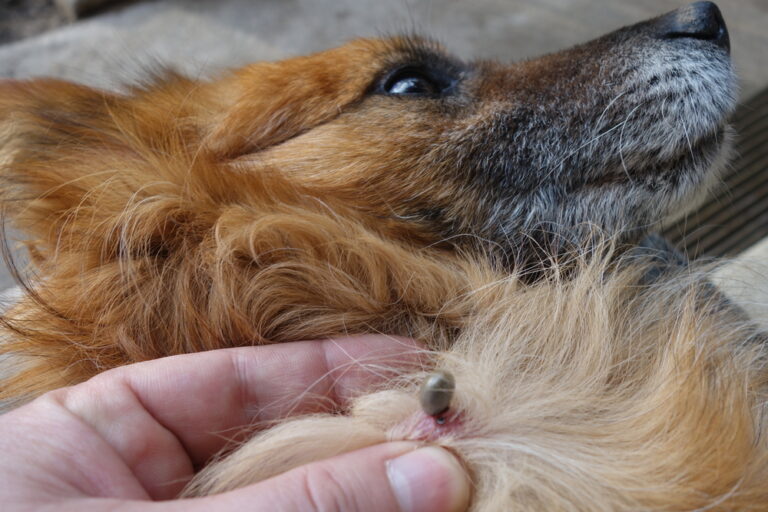
Ticks are small parasites that feed on blood by attaching themselves to animals and humans.
Once attached, they can remain feeding for several days if unnoticed. During this time they may transmit diseases, the most well known being Lyme disease.
Not every tick carries disease, but prompt removal is still important.
Ticks are commonly found around:
- ears
- necks
- armpits
- groin areas
- between toes
- around collars
Long haired working breeds such as springer spaniels and working cocker spaniels can be especially difficult to check thoroughly after walks or work.

Signs your dog may have picked up ticks
In many cases dogs show no obvious symptoms initially, which is why regular checking matters so much.
However, owners may notice:
- excessive scratching
- head shaking
- licking at paws or skin
- small dark bumps attached to the skin
- irritation around bite sites
- tiredness or lethargy after heavy infestations
Dogs working through rough vegetation during harvest, shooting season or summer livestock movements are often most exposed.
Searches for “grass seeds in dogs” and “ticks in dogs ears” also spike during the warmer months as owners encounter seasonal countryside hazards.
How to safely remove a tick
One of the biggest mistakes people make is pulling ticks away using fingers or tweezers.
This can leave mouthparts behind or squeeze the tick, increasing irritation and potential disease risk.
Most vets recommend using a proper tick removal tool designed to twist the tick away cleanly. Such as this one we recommend made by Tick Check which can be found on amazon here: https://amzn.to/49n8RVW
A simple tick remover tool can make checks much safer and easier, particularly for working dogs regularly moving through long grass and field margins. If you want to keep one in the pickup, workshop or dog walking kit, you can click here to see the tick remover we recommend.
After removal, the area should be monitored for swelling or irritation.
If dogs become unwell, lethargic or show unusual symptoms after tick bites, veterinary advice should be sought.
Preventing ticks on dogs
While it is almost impossible to completely avoid ticks in the countryside, there are several ways owners can reduce risk significantly.
Regular checks are one of the most effective habits, especially after walks through:
- rough grass
- woodland
- field margins
- grazing land
- conservation areas
Keeping grass shorter around gardens and kennels may also help reduce tick presence.
Many owners also use preventative veterinary treatments including collars, spot on treatments or oral medications.
Working dog owners often become highly routine driven with tick checks during peak season, particularly after seeing how quickly dogs can pick them up in some areas.

Farm dogs and outdoor workers face higher risks
For many people in agriculture and outdoor industries, dogs spend most of their time outside.
Farm dogs travelling between fields, landscapers taking dogs to work sites and gamekeepers moving through rough cover all naturally increase exposure.
This is one reason searches such as “best dogs for farms”, “working farm dogs” and “countryside dog safety” continue growing online alongside awareness of tick related issues.
Ticks are now simply part of modern countryside management that dog owners need to factor into routine care.
The wider countryside picture
Ticks are not the only challenge facing dogs in rural Britain.
Heatstroke in dogs, grass seed injuries, livestock safety, harvest machinery and rural road traffic all create additional seasonal risks during warmer months.
However, awareness is improving.
More countryside dog owners now carry first aid kits, tick removers and water supplies routinely in vehicles or walking bags than ever before.
That growing awareness is helping owners react more quickly and confidently when problems arise.
A small habit that makes a big difference
Checking dogs for ticks may seem minor, but it can quickly become one of the most valuable routines for anyone living rural life with dogs.
For farmers and outdoor workers especially, dogs are rarely just pets. They are companions through long days, difficult weather and isolated working conditions.
A quick two minute check after a walk, a day gathering sheep or an afternoon in the field can help keep them healthy, comfortable and ready to head back out tomorrow.
A simple tick remover tool can make checks much safer and easier, particularly for working dogs regularly moving through long grass and field margins. If you want to keep one in the pickup, workshop or dog walking kit, you can click here to see the tick remover we recommend.
Some links in this article may be affiliate links. This means we may earn a small commission if you choose to purchase through them, at no extra cost to you. We only recommend products we genuinely believe are useful for countryside and dog owners.