The Hidden Dangers Farm Dogs Face During Harvest
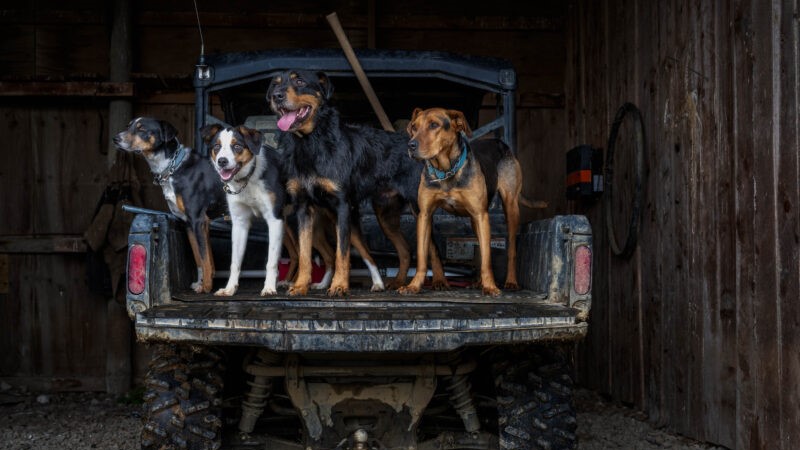
Harvest season is one of the busiest and most rewarding times of year across the British countryside. It is also one of the most dangerous periods for farm dogs, working dogs and countryside pets. From combines moving late into the night to hidden hazards in freshly cut fields, many of the risks are easy to overlook when everyone is focused on getting crops safely in the shed before the weather turns.
Whether you run a busy arable farm, work outdoors in landscaping or gardening, or simply enjoy rural life with your dog by your side, understanding these seasonal dangers can help keep them safe throughout the summer and early autumn.
The hidden dangers farm dogs face during harvest
For many people involved in agriculture, dogs are part of daily working life. Border collies moving livestock, working cocker spaniels riding in pickups, labradors accompanying grain cart drivers and terriers following farmers around the yard are all familiar sights during harvest.
But the pace of harvest changes the environment quickly. Machinery moves constantly, gateways are left open more frequently, and fields that were once quiet become busy workspaces overnight.
One of the biggest risks comes from heavy machinery. Combines, tractors, trailers and telehandlers all create blind spots, noise and confusion. Dogs that are normally calm around machinery can become unpredictable when several machines are moving at once or when unfamiliar contractors arrive on farm.
Many farmers and outdoor workers become so used to their dogs following them everywhere that the danger can become easy to underestimate. Even the best trained farm dogs can suddenly dart behind reversing trailers or disappear into standing crops unseen.
Harvest traffic and road dangers
Another major issue during harvest is the increase in rural road traffic. Grain trailers, forage wagons and tractors often move between fields well into the evening, particularly during dry weather windows.
Dogs living on farms or smallholdings may become more active with all the movement and noise. Open gates and busy yards increase the chance of dogs wandering onto roads or following machinery.
This risk is not limited to farms. Landscapers, gardeners and rural contractors who take dogs to work often park near active agricultural traffic routes during harvest season. A dog jumping from a van or pickup into a busy farm entrance can quickly become a serious accident.
Working dog owners should pay particular attention during dawn and dusk when visibility drops and drivers are tired after long shifts.
Freshly cut fields create unexpected hazards
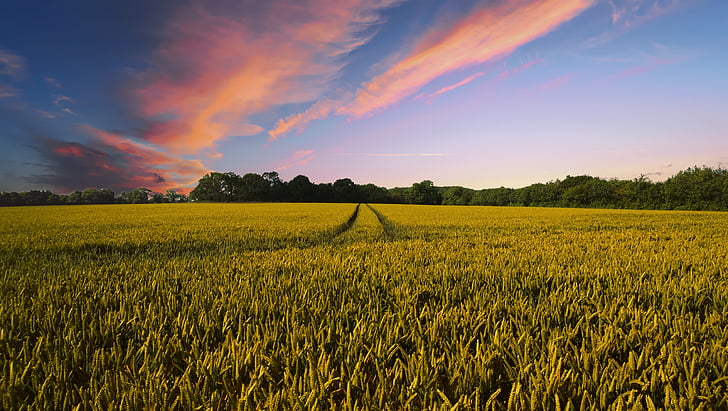
Many people assume harvested fields are safer for dogs because crops have been removed. In reality, freshly cut cereal and oilseed rape fields can hide several dangers.
Sharp stubbles can damage paws, particularly in dry conditions. Dogs running at speed through wheat or barley stubbles may suffer cuts that are not noticed immediately. These injuries can quickly become infected during hot weather.
Harvested fields can also contain discarded metal, baler wire, broken fencing and machinery debris exposed after cutting.
Grass seeds in dogs are another huge summer problem across rural Britain. These small seeds can work their way into ears, paws, eyes and skin folds. Working cocker spaniels and spaniel breeds are especially vulnerable due to their ears and feathering.
Many vets report spikes in grass seed injuries during harvest and late summer. Dogs repeatedly shaking their head, limping or licking paws after field walks should be checked quickly.
Heatstroke in dogs during harvest work
British summers may not seem extreme compared to southern Europe, but heatstroke in dogs is becoming increasingly common during UK harvest seasons.
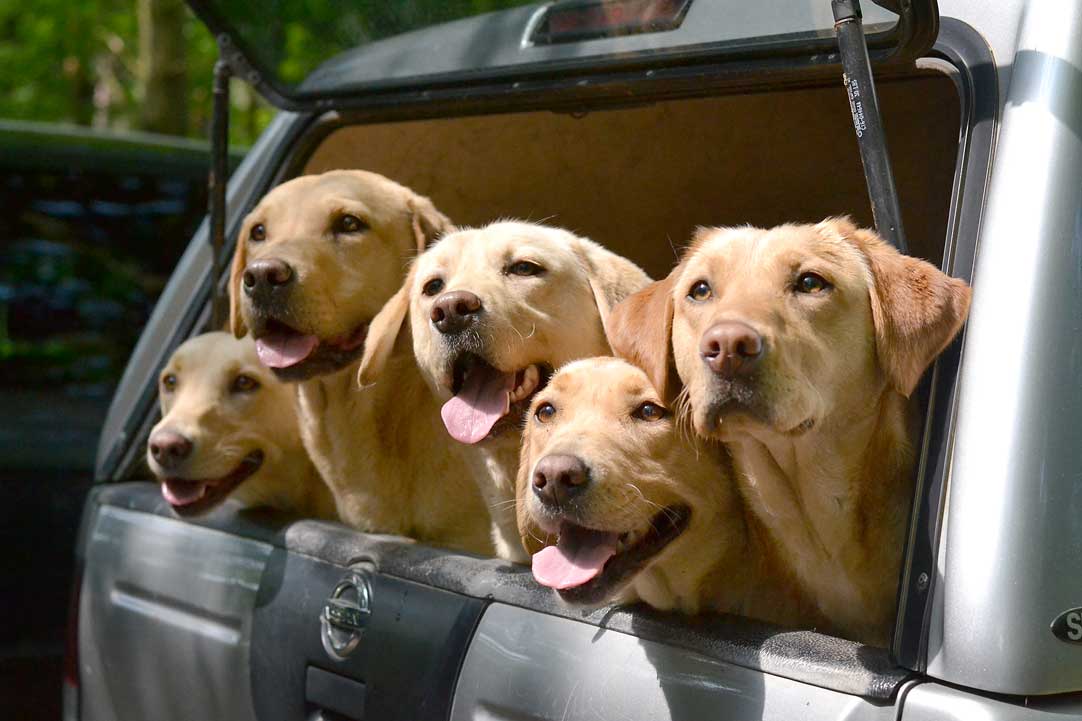
Farm dogs often spend hours travelling between fields in pickups, sitting in tractor cabs or waiting beside machinery with limited shade.
Even active dogs that appear fit can struggle in prolonged heat, especially older working dogs or breeds with thick coats.
Signs of heatstroke in dogs include heavy panting, lethargy, drooling, vomiting and confusion. In severe cases, collapse can happen very quickly.
Dogs that work outdoors with farmers, gardeners or landscapers are particularly at risk because owners may assume the dog will naturally rest when tired. Many working breeds will continue pushing themselves long after they should stop.
Simple precautions make a major difference. Fresh water, shaded rest areas and avoiding the hottest parts of the afternoon can significantly reduce risk.
Ticks and parasites in field margins
While many people associate ticks with woodland, field margins and rough grass around harvested land are also high risk areas.
Dogs walking around harvested fields, cover crops and conservation margins can easily pick up ticks during late summer and early autumn.
Ticks on dogs are becoming a growing issue across the UK countryside, particularly following mild winters. Aside from irritation, ticks can transmit diseases such as Lyme disease.
Owners should check dogs regularly around ears, necks, armpits and paws after walks or work in long grass.
This is especially important for working farm dogs covering large areas every day during harvest.
A simple tick remover tool can make checks much safer and easier, particularly for working dogs regularly moving through long grass and field margins. If you want to keep one in the pickup, workshop or dog walking kit, you can click here to see the tick remover we recommend.

Slug pellets and chemical risks
One countryside topic many dog owners search for each year is slug pellets and dogs.
Modern ferric phosphate slug pellets are considered far safer for wildlife and pets compared with older metaldehyde products, which are now banned outdoors in the UK. However, it is still sensible to prevent dogs eating any agricultural product directly.
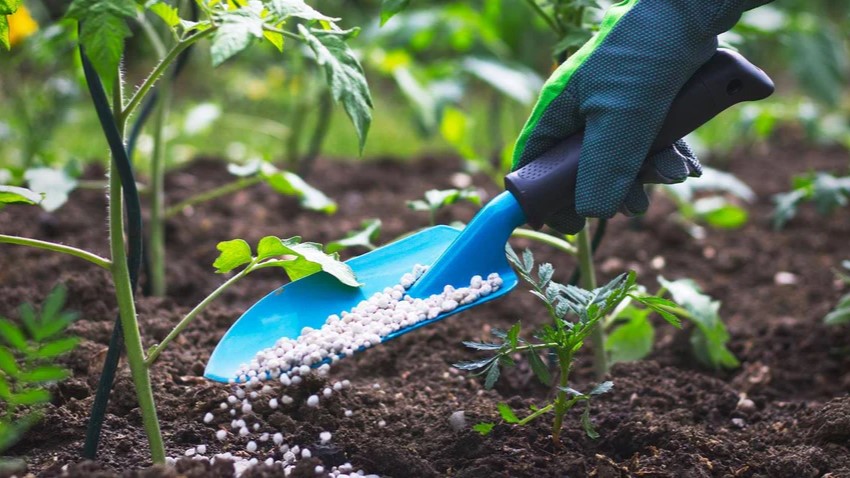
Harvest and drilling periods often overlap with autumn slug management planning, meaning pellets, seed treatments, fertilisers and crop protection products may all be present around yards and field edges.
Storage areas should always remain secure and dogs should not be allowed near spillages or opened product bags.
Dogs around livestock after harvest
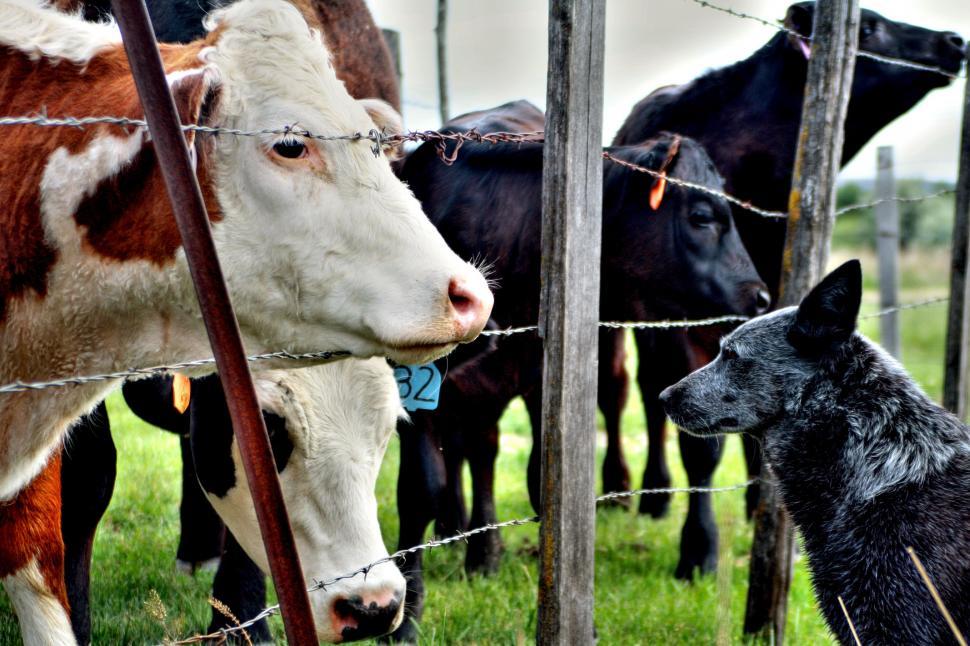
Harvest often changes livestock management too. Sheep may move onto stubbles, cattle may rotate fields and temporary fencing becomes more common.
Even well behaved dogs can become excited in open harvested fields where visibility is greater and scents carry differently.
Sheep worrying remains a serious issue across the UK countryside, with attacks and stress related losses affecting farmers every year.
Owners should remember that dogs do not need to physically injure livestock to cause harm. Chasing alone can create major stress, particularly for pregnant ewes or young animals.
Keeping dogs on leads around livestock after harvest remains one of the simplest and most important countryside responsibilities.
Mental health and the role of farm dogs
Despite the risks, dogs remain hugely important to life in rural Britain.
For many farmers, outdoor workers and countryside families, dogs provide companionship during long isolated working hours. They become part of routines, harvest traditions and daily life on the land.
There is growing recognition that dogs also support mental wellbeing in farming communities, particularly during stressful periods like harvest when long days and weather pressure can take a toll.
That connection is exactly why keeping them safe matters so much.
A little preparation goes a long way
Harvest season will always be busy and unpredictable, but small precautions can make a significant difference for working dogs and countryside pets.
Checking paws after walks, carrying water in vehicles, securing yard areas and staying aware around machinery all help reduce risk.
For anyone spending long days outdoors this summer, whether on farms, in gardens, landscaping projects or rural businesses, dogs remain some of the best companions you can have alongside you. Keeping them safe during harvest simply ensures they are ready to do it all again next season.
Some links in this article may be affiliate links. This means we may earn a small commission if you choose to purchase through them, at no extra cost to you. We only recommend products we genuinely believe are useful for countryside and dog owners.