Why So Many Farmers Say Their Dog Is Essential For Mental Health
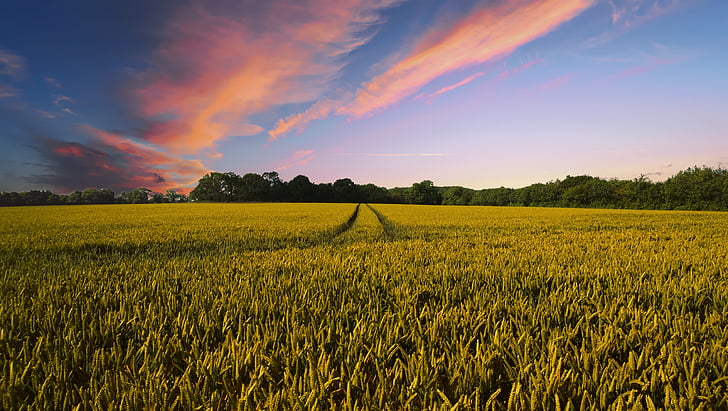
Across Britain’s farms, smallholdings and rural businesses, there is one companion many people rely on every single day.
Not a tractor, quad bike or piece of machinery, but a dog.
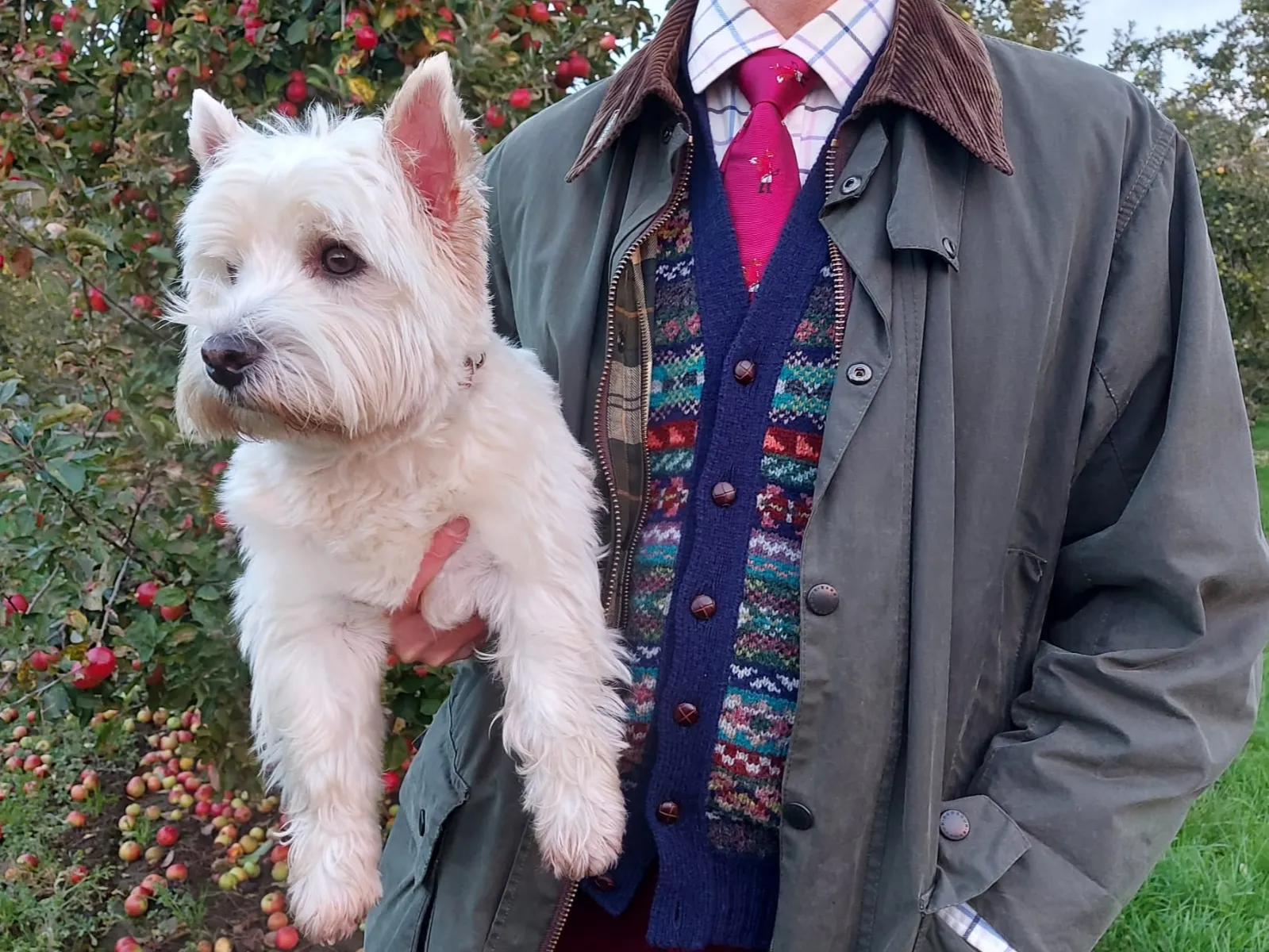
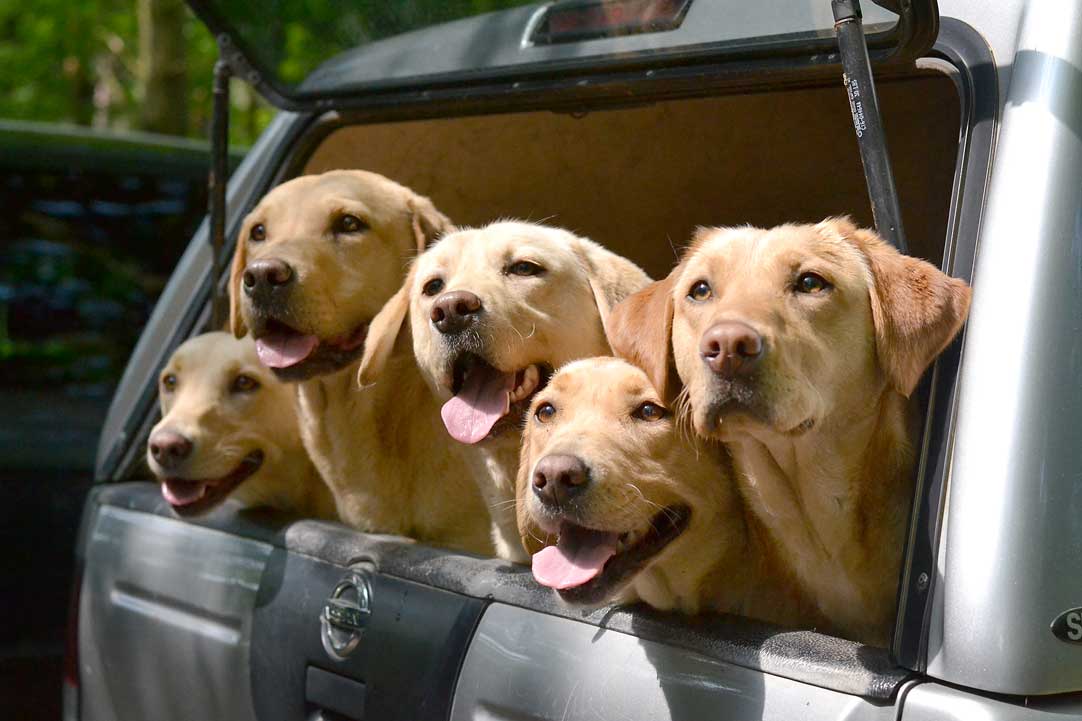
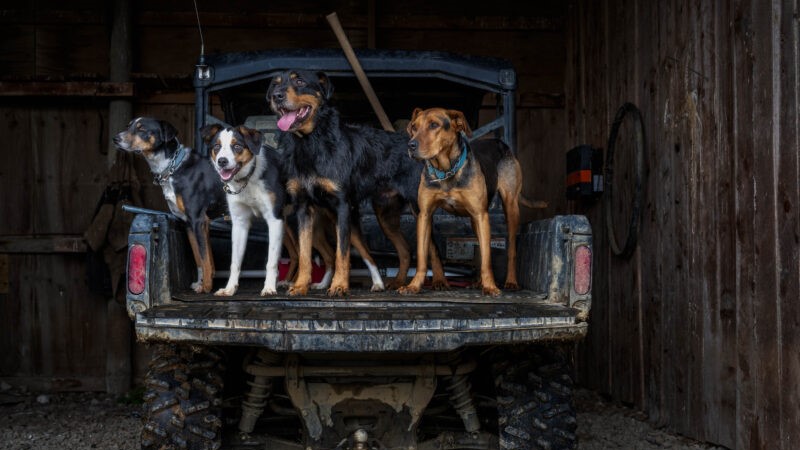
Whether it is a border collie waiting beside sheep pens, a labrador riding silently in a pickup or a terrier following someone around the yard, dogs remain deeply woven into countryside life across the UK.
For many people working outdoors, they are far more than pets. Increasingly, farmers and rural workers are openly talking about the important role dogs play in supporting mental wellbeing, reducing isolation and helping them cope with the pressures of modern rural life.
The reality of working in agriculture
Farming can be rewarding, but it can also be isolating.
Many people spend long days working alone, particularly in livestock and arable systems where machinery and technology have reduced the need for large teams.
During busy periods such as lambing, calving and harvest, working days can become extremely long with little downtime.
At the same time, farmers often face pressures outside their control including:
- weather uncertainty
- rising costs
- market volatility
- disease pressure
- machinery breakdowns
- financial stress
For many rural workers, there may also be limited opportunities for social interaction during the working week.
This is one reason conversations around mental health in farming have become increasingly important across the UK countryside.
Dogs provide routine and structure
One thing many dog owners mention is routine.
Dogs need feeding, walking, attention and consistency regardless of weather, workload or stress levels.
That structure can become surprisingly important during difficult periods.
For someone working alone, simply having another living presence alongside them every day can create a sense of rhythm and purpose that is easy to underestimate.
Searches such as “benefits of dogs for mental health” and “dogs helping anxiety” continue growing online, but many countryside dog owners have understood this instinctively for years.
Companionship during long days
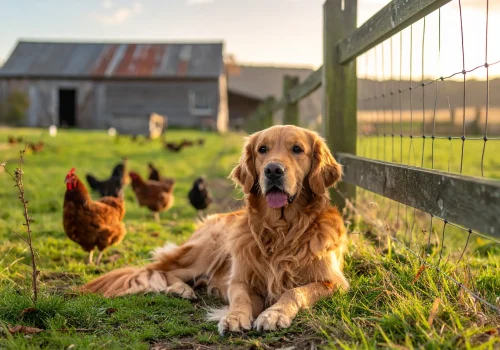
Farm dogs often spend more time alongside their owners than almost anyone else.
A dog riding in the cab during harvest, waiting outside a livestock shed or following someone repairing fences may seem ordinary from the outside, but these small routines matter deeply to many people living rural life.
Dogs provide company without expectation. They are present during the good seasons and the difficult ones.
For farmers facing stressful periods or isolation, that consistency can become emotionally grounding.
This is particularly true in remote rural areas where neighbours may be miles away and working hours rarely align with normal social schedules.
Why working dogs are different
The relationship between farmers and working dogs is often especially strong because they actively work together every day.
A skilled sheepdog is not simply a pet. It becomes a trusted working partner.
Border collies and working farm dogs often develop incredibly close communication with handlers through whistles, body language and routines repeated over years.
That partnership creates a level of trust many non rural dog owners never fully experience.
Searches such as “working farm dogs” and “border collie farm dog” continue performing strongly partly because people are fascinated by this relationship.
For many livestock farmers, the dog beside them is involved in nearly every aspect of the working day.
Dogs encourage people outside
One overlooked benefit of dogs is that they encourage movement and outdoor activity.
Even during stressful periods, dogs still need exercise and attention.
Many owners say that having a dog forces them to step away briefly from paperwork, stress or difficult situations and spend time outdoors.
Research consistently links walking, fresh air and routine exercise with improved mental wellbeing.
For people already working outdoors, dogs can also make difficult days feel less lonely and repetitive.

The countryside connection
Dogs are deeply tied to British countryside identity.
From sheepdogs in upland fields to labradors on shoots and terriers around farmyards, dogs are part of the rhythm and culture of rural Britain.
Searches such as “best farm dogs UK”, “countryside dogs” and “best dog for rural life” reflect how strongly people associate dogs with outdoor living.
For many people, owning a dog becomes part of the wider lifestyle and emotional connection they have with the countryside itself.
The hidden side of rural isolation
Mental health conversations in agriculture have become more open over recent years, but rural isolation can still remain difficult to talk about.
Many farmers are used to coping independently and continuing through pressure quietly.
Dogs often become important emotional anchors during these periods precisely because they provide uncomplicated companionship.
There is no judgement, expectation or pressure. Just routine, loyalty and presence.
For some people, that daily consistency can make a far bigger difference than they openly admit.
Looking after working dogs matters too
Because dogs become such important companions in rural life, keeping them healthy matters enormously.
Farm dogs and countryside dogs often face seasonal risks including:
- ticks on dogs UK wide
- heatstroke during harvest
- grass seeds in dogs
- livestock injuries
- road traffic around farms
- paw injuries on stubbles
Working dogs frequently push themselves hard and many owners become extremely protective of them as a result.
The bond between rural workers and their dogs is often built over years of shared routine and trust.
More than just pets
Modern farming may involve advanced machinery, GPS systems and increasingly technical agriculture, but one thing has not changed.
Dogs remain central to countryside life.
For many farmers and outdoor workers, they provide companionship during long isolated days, emotional consistency during stressful seasons and a connection to routine that becomes incredibly valuable over time.
That is why so many people across rural Britain quietly say the same thing.
Their dog is not just a pet.
It is one of the most important parts of their daily life.