
Farming News
Get the latest UK farming news from trusted sources. Bringing you the latest on arable cropping, livestock, machinery, policy, markets, weather, technology, and environmental stewardship.
Market snapshot
Indicative cash levels — not live exchange data.
- Wheat£182.5/t-1.2%
- Barley£158.0/t+0.5%
- Oilseed Rape£372.0/t-0.8%
- Maize£165.0/t+1.1%
Latest farming news

The Animal Sentience Committee's report on the Glue Traps (Offences) Act 2022 highlights the ethical concerns surrounding glue traps and their impact on animal welfare. This could lead to stricter regulations affecting pest control methods used in agriculture, prompting farmers and suppliers to consider alternative solutions.
Farmers and agricultural businesses in the UK can now apply for or update their Welfare of Animals at the Time of Killing (WATOK) licence. This is essential for compliance with animal welfare standards during slaughter, impacting market access and consumer trust.
The UK government has outlined the activity codes necessary for obtaining a Welfare of Animals at the Time of Killing (WATOK) licence, emphasizing the importance of compliance for animal welfare and marketability. Farmers and suppliers must stay informed about these codes to ensure adherence to regulations and meet consumer demands for ethical practices.
The UK government has updated import controls for animals and products of animal origin, impacting farmers and suppliers. Official Veterinary Surgeons (OVS) will oversee compliance, which is crucial for maintaining biosecurity and animal health standards. Stakeholders should stay informed about these changes to adapt to evolving trade dynamics post-Brexit.
The UK government is proposing new measures to combat littering, which may include the loss of driving licences for offenders. This initiative aims to improve community cleanliness and has significant implications for farmers, as litter can contaminate land and waterways, affecting agricultural productivity.

A tribunal is set to hear a case this week regarding the access of campaigners to records that detail pesticide use on farms. The outcome could have implications for transparency in agricultural practices and conservation efforts.

The British Lion mark continues to be the most recognized food assurance label in the UK, with recent research indicating an awareness level of 80%. This highlights the mark's significance in ensuring food safety and quality among consumers.
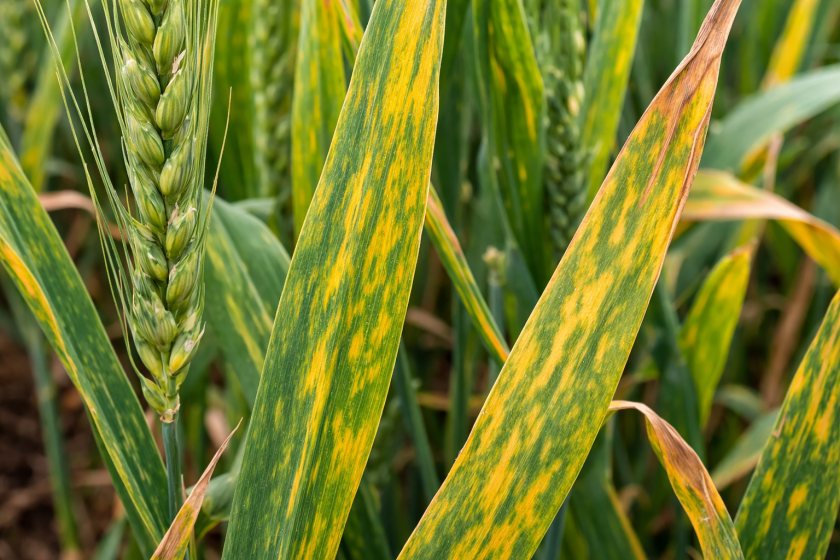
A new digital tool is being introduced for cereal growers to assist in managing barley yellow dwarf virus (BYDV). This tool aims to help farmers reduce the number of insecticide sprays needed, promoting more efficient pest management practices.


Small farms and rural landholdings in Scotland are likely to experience increased business rates following the government's decision to eliminate sporting rates relief. This change may place additional financial pressure on these agricultural operations, impacting their overall viability.

The Home Office has approved a one-year visa extension for overseas sheep shearers, addressing concerns about potential sheep welfare issues due to labor shortages. This decision comes after warnings that millions of sheep could be left unshorn, impacting both animal health and the wool industry.
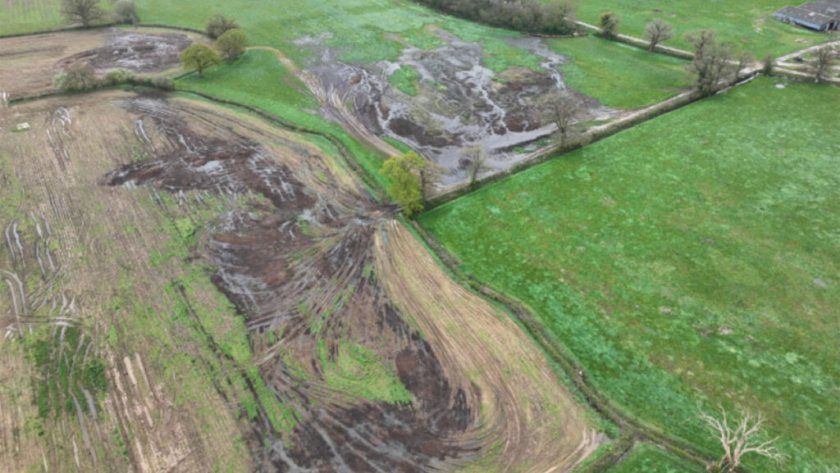
A farming partnership in Wiltshire has been fined over £18,000 due to two separate incidents of slurry pollution that affected tributaries of the Bristol Avon. The ruling highlights the legal and environmental responsibilities of farmers in managing waste to prevent water contamination.
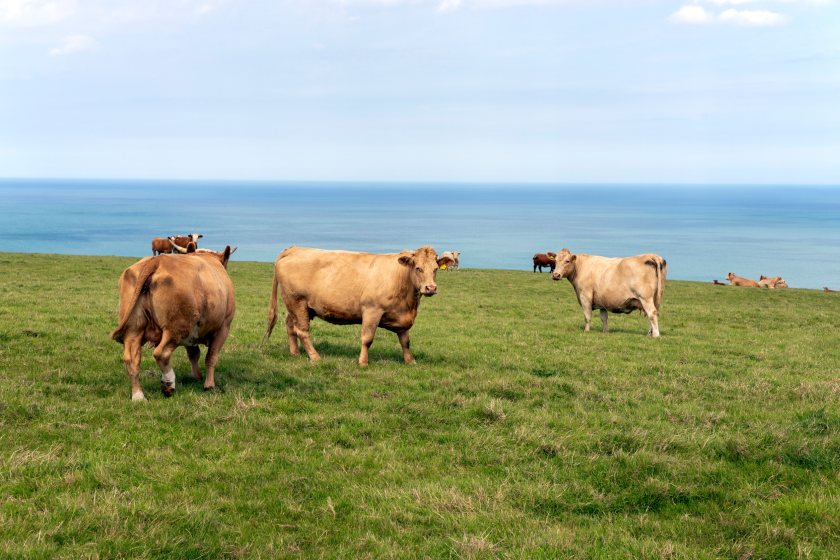
NFU Cymru has expressed concerns that Wales is unlikely to achieve its goal of being bovine TB-free by 2041 without significant changes to its eradication strategy. The organization emphasizes that current measures are insufficient to meet this target, highlighting the need for a more effective approach to tackle the disease.
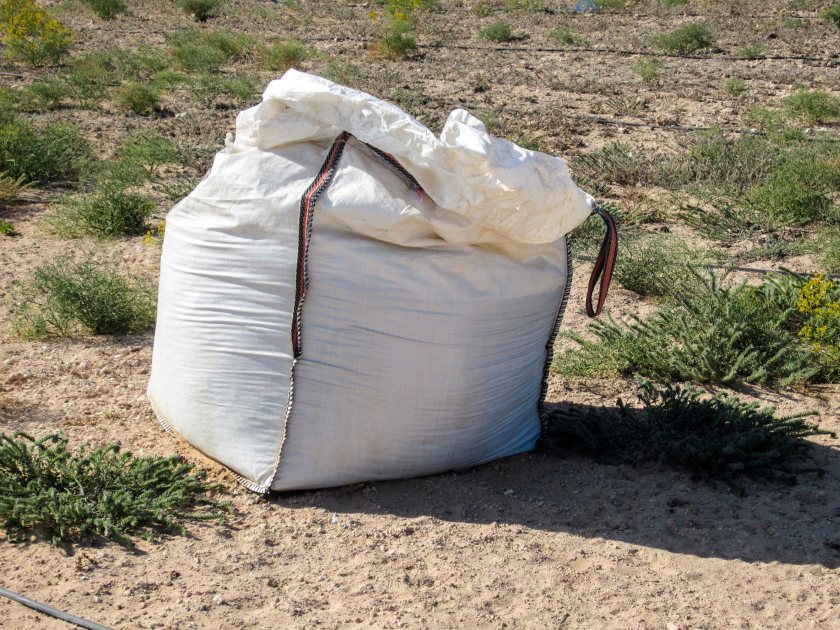
Farm leaders from the National Farmers' Union (NFU) have expressed concerns that disruptions in fertiliser supply, exacerbated by global conflicts, could significantly increase input costs for farmers and jeopardize the UK food supply chain. These discussions highlight the interconnectedness of global events and local agricultural stability.
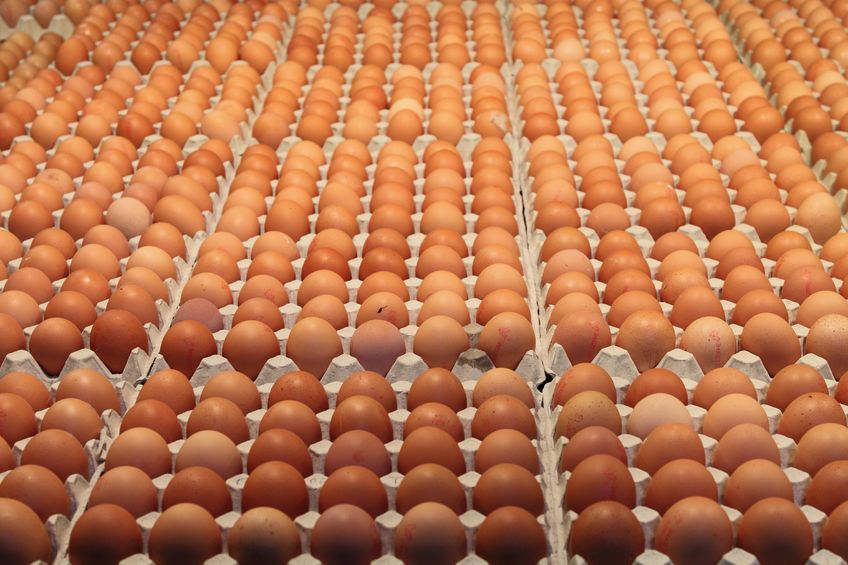
UK egg producers and consumers are urging the government to enforce standards on imported eggs that align with domestic regulations. This push highlights concerns over fairness and the potential impact on local producers as they advocate for equal treatment in the market.
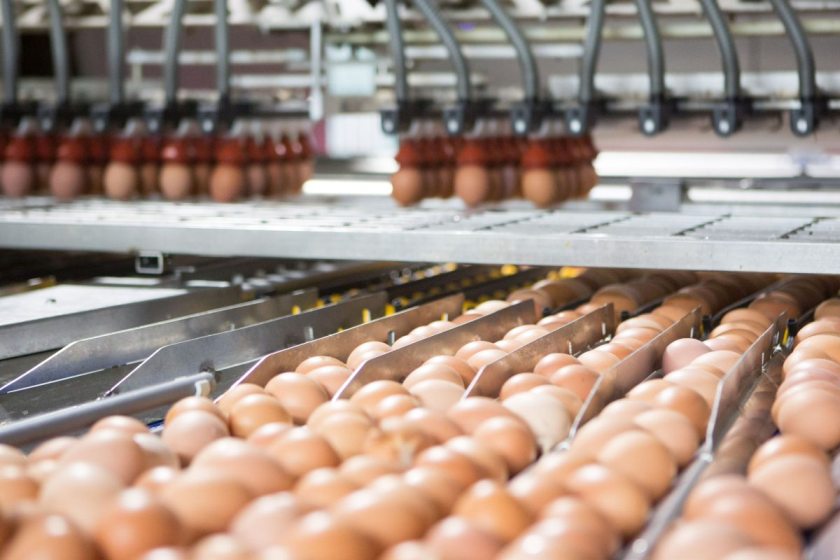
New guidance has been introduced in the UK to enhance the quality of eggs sold in supermarkets. This initiative aims to ensure that only top-quality eggs reach consumers, potentially leading to a better shopping experience for customers. The changes are expected to be implemented soon.
The Tenant Farmers Association has raised concerns that recent policy changes and alterations in land use are jeopardizing the future of tenant farming in England and Wales. The chair of the association emphasizes the need for attention to these issues to ensure the sustainability of tenant farming practices.

Farmers and land managers in Scotland's first national park are receiving new support measures to address the increasing deer population that is causing damage to farmland. The management plan aims to mitigate the impact of deer on agricultural land, ensuring better protection for crops and livestock.
The Welsh government has announced a new finance scheme offering low-interest loans of up to £1 million to farmers. This initiative aims to support the modernization of farming businesses in Wales, enhancing their operational efficiency and competitiveness.