
Policy Farming News
Stay informed on UK agricultural policy, government announcements, and regulatory changes affecting farmers. This section covers DEFRA updates, the Sustainable Farming Incentive, Environmental Land Management schemes, trade deals, planning regulations, and cross-compliance rules. Whether you are navigating BPS transition payments, reviewing new environmental stewardship options, or tracking post-Brexit trade policy, our policy news feed aggregates the key stories so you can understand how policy decisions impact your farm business.
Latest policy news
The Countryside Stewardship Higher Tier (CSHT) funding program will see changes in 2025, offering UK farmers new opportunities for environmental projects. Farmers should prepare for the application process and stay informed about guidance on managing agreements to maximize benefits.
Defra has introduced a register of interests for its board members, enhancing transparency and accountability in agricultural governance. This initiative is significant for UK farmers and agronomists as it may influence policy decisions and funding allocations in the post-Brexit landscape.

Farmers and agricultural stakeholders are encouraged to engage directly with Defra for assistance on policies and regulations affecting their operations. This communication is vital for navigating the complexities of modern agriculture and ensuring access to tailored support and resources.
The UK government has launched a public register for operators accredited under the Extended Producer Responsibility (EPR) for packaging waste. This initiative aims to enhance transparency in waste management and has significant implications for UK farmers and agricultural suppliers regarding sustainability and compliance.
Newcastle disease is a serious viral infection affecting poultry, requiring farmers to be vigilant in spotting symptoms and reporting suspected cases. Effective biosecurity measures and vaccination are essential to prevent outbreaks, which can have severe economic impacts on the poultry industry.
The latest official statistics reveal a 3% increase in average farm rents in England, now at approximately £100 per acre. This rise reflects broader economic trends and is crucial for farmers, agronomists, and agricultural suppliers to consider in their financial planning and investment strategies.
The Secretary of State has approved coastal access improvements between Cleveleys and Pier Head, Liverpool, enhancing public access to the coastline. This decision could benefit local economies, including agriculture, by increasing tourism and foot traffic in the area.
The UK government has unveiled a Strategic Policy Statement for the Environment Agency, detailing expectations for environmental protection, economic growth, and water reform. This policy is crucial for farmers and agronomists as it may lead to regulatory changes affecting water management and sustainability practices in agriculture.
The UK government has issued a Strategic Policy Statement for Natural England, emphasizing nature recovery and sustainable growth. This policy will influence agricultural practices, requiring farmers to adapt to new regulations focused on environmental stewardship while potentially benefiting from government support for sustainable initiatives.
The UK government has approved the nuclear justification for Rolls-Royce's Small Modular Reactor (SMR), marking a significant step in the country's energy strategy. This development promises to provide low-carbon energy, potentially reducing operational costs for farmers and agribusinesses while supporting the UK's sustainability goals.
The UK government is investing £100 million to expedite planning approvals for homes, transport, and clean energy projects. This regulatory overhaul aims to enhance sustainable development, but it raises potential concerns for farmers regarding land use and competition as renewable energy projects increase.
The Animal Sentience Committee's report on the Glue Traps (Offences) Act 2022 highlights the ethical concerns surrounding glue traps and their impact on animal welfare. This could lead to stricter regulations affecting pest control methods used in agriculture, prompting farmers and suppliers to consider alternative solutions.
The UK government has outlined the activity codes necessary for obtaining a Welfare of Animals at the Time of Killing (WATOK) licence, emphasizing the importance of compliance for animal welfare and marketability. Farmers and suppliers must stay informed about these codes to ensure adherence to regulations and meet consumer demands for ethical practices.
The UK government has updated import controls for animals and products of animal origin, impacting farmers and suppliers. Official Veterinary Surgeons (OVS) will oversee compliance, which is crucial for maintaining biosecurity and animal health standards. Stakeholders should stay informed about these changes to adapt to evolving trade dynamics post-Brexit.

A tribunal is set to hear a case this week regarding the access of campaigners to records that detail pesticide use on farms. The outcome could have implications for transparency in agricultural practices and conservation efforts.

The British Lion mark continues to be the most recognized food assurance label in the UK, with recent research indicating an awareness level of 80%. This highlights the mark's significance in ensuring food safety and quality among consumers.


Small farms and rural landholdings in Scotland are likely to experience increased business rates following the government's decision to eliminate sporting rates relief. This change may place additional financial pressure on these agricultural operations, impacting their overall viability.
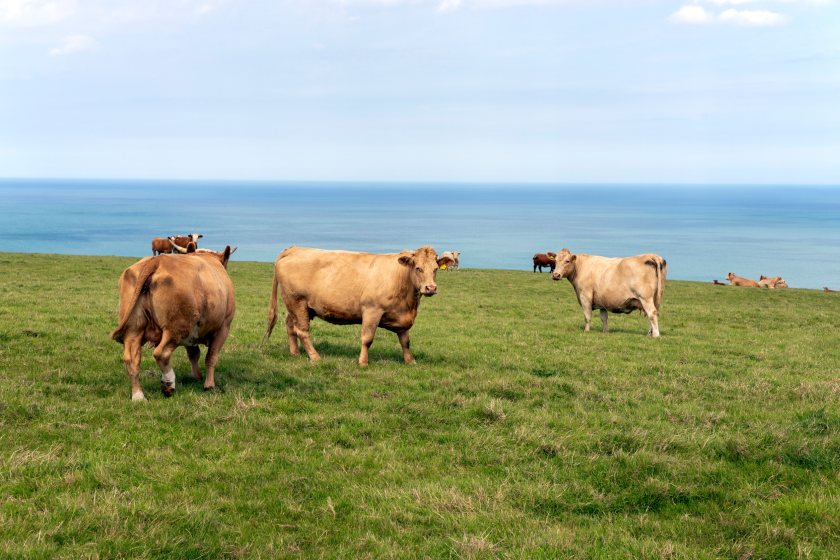
NFU Cymru has expressed concerns that Wales is unlikely to achieve its goal of being bovine TB-free by 2041 without significant changes to its eradication strategy. The organization emphasizes that current measures are insufficient to meet this target, highlighting the need for a more effective approach to tackle the disease.