Trump urges UK and other nations to send warships to Strait of Hormuz
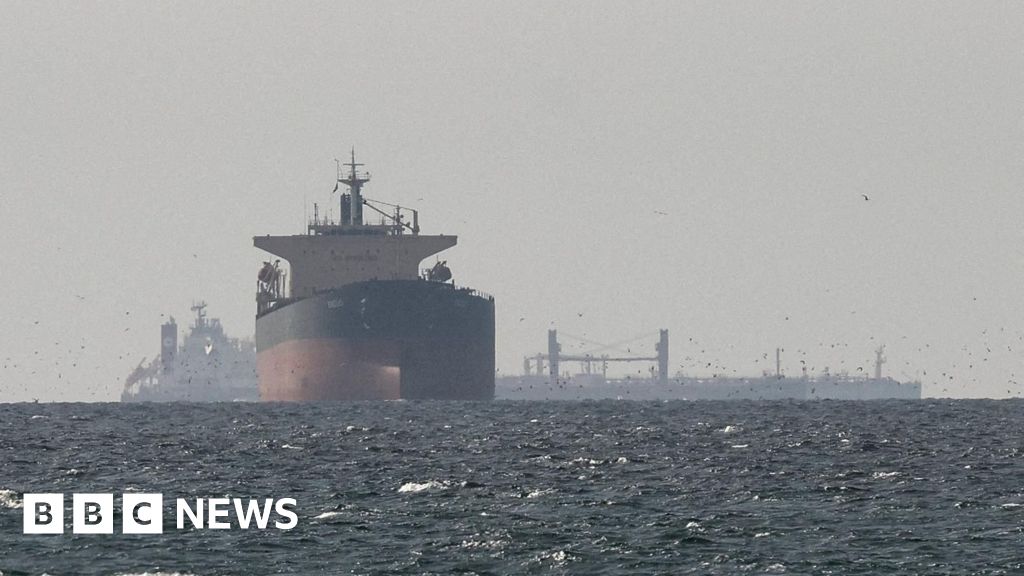
In a recent escalation of geopolitical tensions, US President Donald Trump has called on the UK and other nations to deploy warships to the Strait of Hormuz, a critical oil shipping route that has seen increased hostilities following the US-Israel military actions against Iran. Trump’s appeal comes in the wake of multiple tanker attacks in the region, which have contributed to a significant rise in global oil prices. The UK Ministry of Defence is reportedly in discussions with allies to explore options for ensuring the security of shipping in this vital corridor.
Background and Current Situation
The Strait of Hormuz is a crucial maritime passage, through which approximately 20% of the world’s oil supply is transported. Recent military actions, including US and Israeli strikes against Iranian targets, have heightened tensions, prompting Iran to threaten the closure of the strait. Since the conflict escalated on February 28, reports indicate that 16 vessels have been attacked in the area, raising alarms about the safety of shipping operations.
Trump's comments on social media emphasized the urgency of international cooperation, stating, "Hopefully China, France, Japan, South Korea, the UK, and others... will send ships to the area so that the Hormuz Strait will no longer be a threat." He also claimed that Iran's military capabilities had been severely diminished, yet acknowledged the potential for Iranian retaliation through drone attacks or missile strikes.
Implications for UK Farmers and Agronomists
For UK farmers and agronomists, the implications of this situation are profound. The rise in global oil prices directly affects agricultural input costs, including fuel for machinery and transportation of goods. As oil prices surge, the costs associated with farming operations could escalate, impacting profitability for farmers. Additionally, any disruptions in shipping routes could lead to delays in the importation of essential agricultural supplies and exportation of UK produce, further straining the agricultural sector.
The UK’s agricultural suppliers must also be vigilant, as fluctuations in oil prices can ripple through the supply chain, affecting everything from fertiliser costs to the availability of machinery. The potential for military conflict in the region raises concerns about the stability of global markets, which could lead to increased volatility in commodity prices.
What to Watch Next
Farmers and agronomists should monitor developments closely, particularly any announcements regarding military deployments in the region and their potential impact on oil prices. The UK government’s response to Trump’s call for warships will be critical; any decision to engage militarily could escalate tensions further, potentially leading to more significant disruptions in global oil supply.
Additionally, stakeholders should keep an eye on the UK’s diplomatic relations with Iran and other nations involved in the conflict, as these relationships will influence the broader geopolitical landscape and its impact on agricultural markets.
Looking Ahead
As the situation unfolds, it is essential for UK farmers, agronomists, and agricultural suppliers to prepare for potential market fluctuations and supply chain disruptions. The ongoing conflict in the Middle East serves as a reminder of the interconnectedness of global markets and the importance of geopolitical stability for the agricultural sector. Moving forward, proactive measures, such as diversifying supply sources and closely monitoring market trends, will be crucial for mitigating risks associated with this volatile situation. The agricultural community must remain agile and informed to navigate the challenges posed by these geopolitical tensions effectively.