Three more Iranian women’s football squad members return home after being granted asylum in Australia
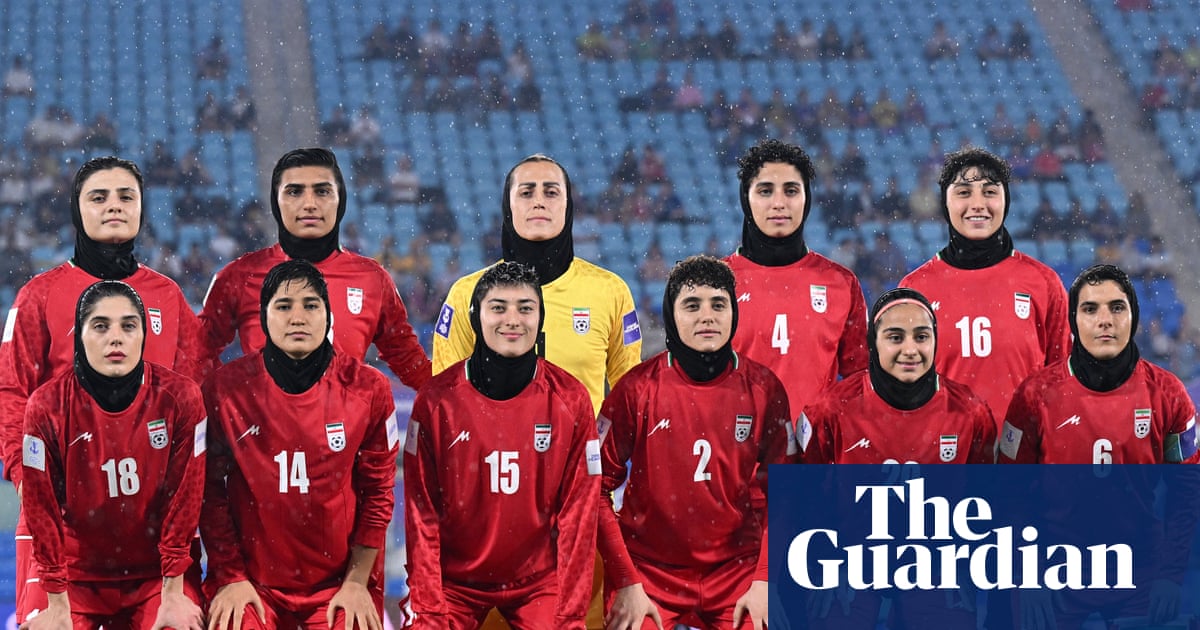
Three members of the Iranian women’s football squad have returned to Iran after being granted asylum in Australia, leaving behind teammates who opted to remain in the country on protection visas. The decision comes after the team participated in the Women’s Asian Cup, where they faced significant challenges, including threats to their safety upon returning to Iran. Home Affairs Minister Tony Burke confirmed the trio's departure, highlighting the complex situation surrounding the team's asylum requests and the broader implications for human rights in Iran. This development underscores the ongoing struggle for women's rights in the country, particularly in sports, and raises questions about the future of those who remain in Australia seeking safety and stability.
Background on the Asylum Situation
The Iranian women’s football team made headlines during the Women’s Asian Cup, not only for their performance on the field but also for the political implications of their participation. Women in Iran face severe restrictions, and the athletes risked their safety by competing internationally. The Australian government’s decision to grant asylum to some members of the team reflects a growing recognition of the dangers faced by women athletes in oppressive regimes.
The Decision to Return
The three players who chose to return to Iran reportedly made their decision after careful consideration of their circumstances and the potential risks associated with remaining in Australia. Their departure leaves behind teammates who have opted to stay, indicating a divide in the team regarding the best path forward. The Australian Home Affairs Minister, Tony Burke, stated, "These players have made a choice that reflects their personal circumstances, and we respect their decision."
Implications for Women’s Rights in Iran
This situation highlights the broader issues of women's rights in Iran, where female athletes often face discrimination and persecution. The Iranian government has a history of punishing women who defy societal norms, particularly in sports. The decision of some players to seek asylum in Australia illustrates the desperate measures some individuals are willing to take to escape oppression. The international community has increasingly focused on human rights abuses in Iran, and this incident adds to the growing body of evidence that highlights the need for reform.
Relevance to UK Farmers and Agricultural Suppliers
While this news may seem distant from the agricultural sector, it serves as a reminder of the global interconnectedness of human rights issues. UK farmers and agricultural suppliers operate in a world where ethical considerations are increasingly important to consumers. As awareness of human rights abuses grows, there may be increased pressure on businesses to ensure that their supply chains are free from exploitation and that they support fair treatment for all workers, regardless of gender or nationality.
What to Watch Next
As the situation develops, it will be crucial to monitor the outcomes for the players who remain in Australia. Their ability to secure long-term residency and support will be pivotal in determining their future. Additionally, the response from the Iranian government to the return of the three players could have implications for other athletes and individuals seeking asylum. The international community's reaction to these developments may also influence future asylum policies and the treatment of athletes in oppressive regimes.
Looking Ahead
The return of these players to Iran raises significant questions about the future of women's sports in the country and the ongoing struggle for gender equality. As global attention remains focused on Iran, there is hope that continued advocacy for women's rights will lead to meaningful change. For UK farmers and agricultural suppliers, this situation serves as a reminder of the importance of ethical practices and the role that businesses can play in supporting human rights globally. The intersection of sports, politics, and human rights will likely continue to evolve, and stakeholders in the agricultural sector should remain aware of these dynamics as they navigate their own ethical responsibilities in a global marketplace.