Three more Iran football team members change minds over asylum
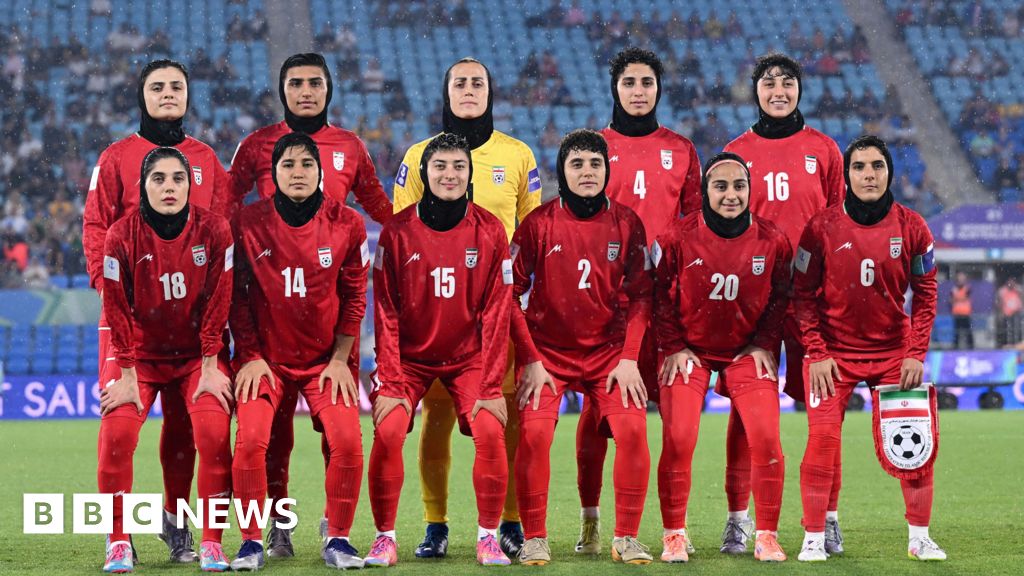
Three members of the Iranian women's football delegation, who had initially sought asylum in Australia, have opted to return to Iran, leaving just three players from the original seven who expressed a desire to stay. The decision follows a backdrop of intense scrutiny and pressure after the team’s silent protest during the national anthem at their opening Asian Cup match against South Korea, which led to accusations of treachery from Iranian authorities. The Australian government, while providing humanitarian visas, acknowledged the difficult context these players faced in making their decisions. The players’ return has raised concerns about potential repercussions they may face in Iran for their actions, highlighting the complex interplay of sport, politics, and personal safety in the region.
Background and Context
The Iranian women's football team has been under significant pressure since their silent protest during the national anthem, a move interpreted as a stance against the Iranian regime. This act of defiance led to severe backlash from Iranian state media, branding the players as "war traitors" and calling for punitive measures against them. The Australian government stepped in to offer humanitarian assistance, allowing the players to seek asylum in a country known for its support of human rights.
The players who have chosen to return—Zahra Soltan Meshkehkar, Mona Hamoudi, and Zahra Sarbali—have been reported to be on their way back to Iran, where they will reunite with their families. This decision comes after a tumultuous week where the players had initially slipped away from their hotel to seek refuge with Australian authorities. The Australian Home Affairs Minister, Tony Burke, expressed pride in the country’s ability to provide these women with choices, yet acknowledged the overwhelming pressures they faced from their homeland.
Implications for UK Farmers and Agronomists
While the situation may seem distant from the agricultural sector in the UK, it underscores the broader themes of human rights, freedom of expression, and the impact of political regimes on individual lives. For UK farmers and agronomists, this serves as a reminder of the importance of stable governance and the potential risks associated with political unrest in regions that may affect global agricultural markets and supply chains. The situation in Iran could have ripple effects on trade relations, particularly if the country faces further isolation or sanctions due to its treatment of athletes and dissenters.
What to Watch Next
As the remaining three players in Australia contemplate their futures, it will be crucial to monitor any developments regarding their safety and the potential repercussions they may face upon returning to Iran. Additionally, observers should keep an eye on how the Iranian government responds to the players’ actions and the broader implications for sports and human rights in the country. The fallout from this incident may influence how other athletes and teams approach political issues in the future, both in Iran and globally.
Looking Ahead
The return of these players highlights the ongoing struggle for personal freedom and the risks associated with standing up against oppressive regimes. For UK farmers and agronomists, this situation serves as a poignant reminder of the importance of advocating for human rights and supporting initiatives that promote freedom and safety for individuals worldwide. As the global community continues to grapple with issues of governance and human rights, the agricultural sector must remain vigilant and engaged, ensuring that the voices of those affected by such political climates are heard and supported. The intersection of sports, politics, and personal safety will likely continue to evolve, and the agricultural community should be prepared to respond to the implications that arise from these developments.