Stripped of life: the deadly South Australian algal bloom is still spreading one year on
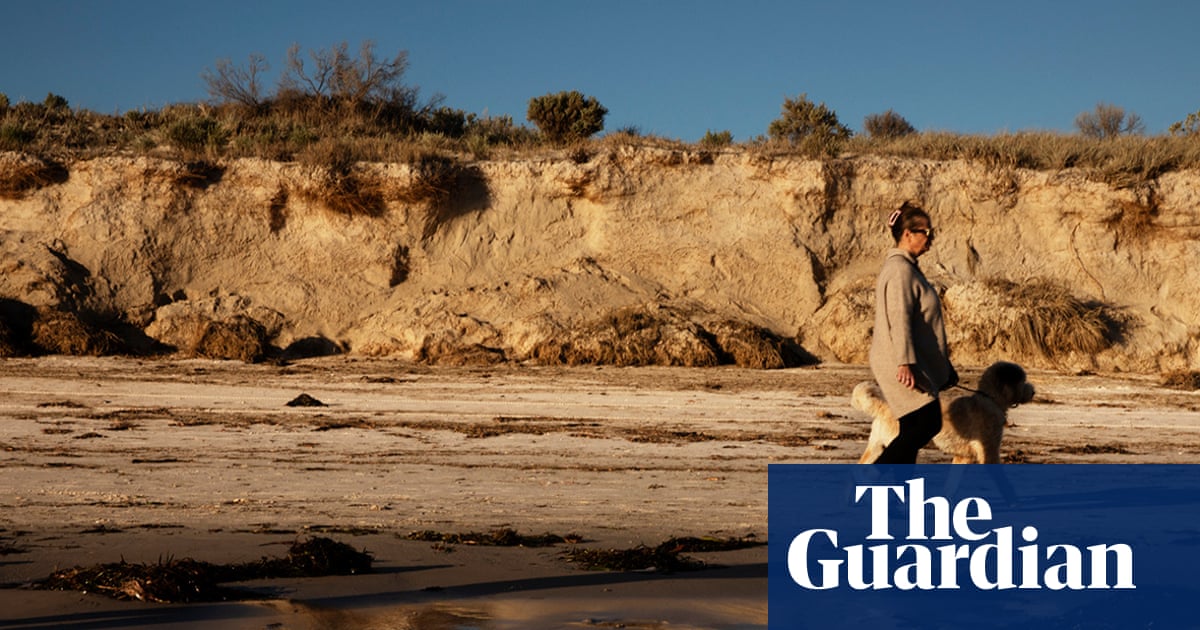
The ongoing algal bloom caused by the toxic Karenia cristata algae off the coast of South Australia has persisted for over a year, affecting more than 20,000 square kilometers of marine environment. This unprecedented event marks Australia’s largest and most destructive algal bloom, raising significant concerns among scientists about its potential to reoccur and further devastate marine ecosystems. The bloom has led to extensive marine life mortality, impacting local fisheries and ecosystems, with implications that could resonate globally, including in the UK, where similar environmental conditions could foster algal blooms. The persistence of this bloom highlights the urgent need for better monitoring and management strategies to mitigate the effects of climate change and nutrient runoff, which are believed to exacerbate such events.
Overview of the Algal Bloom
The Karenia cristata algal bloom, first detected in early 2022, has continued to wreak havoc along the South Australian coastline, leading to a significant ecological crisis. Scientists have reported that the bloom has not only persisted but has also spread, raising alarms about its potential to explode again. The bloom has resulted in the death of vast quantities of marine life, including fish and shellfish, which are critical to local fisheries and the broader marine food web. The scale of this bloom is unprecedented in Australian history, with its impact felt across both the environment and local economies.
The Impact on Marine Life and Fisheries
The ecological ramifications of the bloom are severe. Marine biologists estimate that the bloom has led to the death of millions of fish and other marine organisms. This has dire consequences for local fisheries, which rely on healthy marine ecosystems for sustainable harvests. The Australian government and local authorities are now grappling with the economic fallout, as fishing communities face declining catches and potential long-term impacts on their livelihoods. The situation underscores the interconnectedness of marine health and economic stability in coastal regions.
Context and Causes
The persistence of the Karenia cristata bloom can be attributed to several factors, including climate change, nutrient runoff from agricultural practices, and changes in ocean temperatures. Warmer waters can create ideal conditions for algal blooms to thrive, while nutrient runoff—often exacerbated by heavy rainfall and agricultural practices—provides the necessary nutrients for blooms to proliferate. This situation serves as a stark reminder of the broader environmental challenges posed by climate change and the need for sustainable agricultural practices that minimize nutrient runoff.
Relevance to UK Farmers and Agronomists
While the algal bloom is occurring thousands of miles away, UK farmers and agronomists should take note of the implications for their practices. The UK has its own challenges with nutrient runoff, particularly in regions with intensive agriculture. The lessons learned from the Australian experience could inform better management practices in the UK to prevent similar ecological crises. Additionally, the potential for algal blooms in UK waters, particularly in estuaries and coastal areas, highlights the importance of monitoring water quality and implementing sustainable agricultural practices.
Practical Implications
Farmers and agronomists should consider adopting practices that reduce nutrient runoff, such as cover cropping, reduced tillage, and precision farming techniques. These practices not only help mitigate the risk of algal blooms but also enhance soil health and improve crop yields. Furthermore, staying informed about local water quality and participating in community initiatives aimed at protecting waterways can be beneficial. Collaboration with environmental agencies can also lead to better management strategies that protect both agricultural interests and marine ecosystems.
Looking Ahead
The ongoing situation in South Australia serves as a critical warning about the potential for algal blooms to disrupt marine ecosystems and local economies. As climate change continues to influence weather patterns and marine environments, the risk of similar events occurring in other parts of the world, including the UK, remains a pressing concern. Moving forward, it is essential for farmers, agronomists, and policymakers to prioritize sustainable practices and invest in research and monitoring efforts to safeguard marine environments and agricultural productivity. The lessons learned from this algal bloom could pave the way for more resilient agricultural systems and healthier ecosystems globally.