All farming news

Police-style powers to tackle fly-tippers being considered
BBC News General

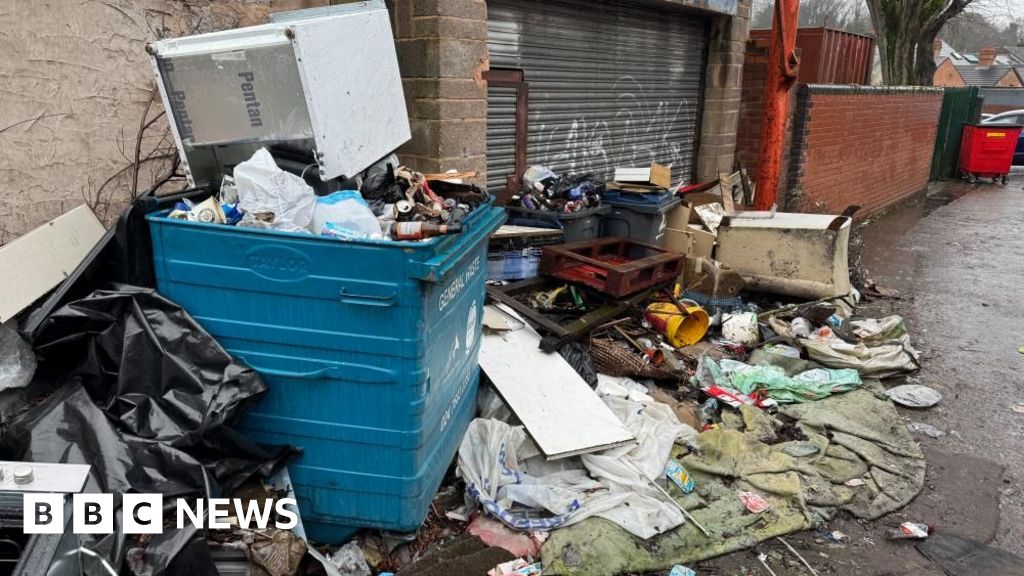
The UK government is considering granting police-style powers to Environment Agency (EA) officials to combat fly-tipping and illegal waste dumping more effectively. This proposal would enable EA officers to search premises without a warrant, seize assets, and arrest individuals suspected of waste-related crimes. The move comes as part of a broader strategy to enhance enforcement capabilities, with the upcoming Waste Crime Action Plan expected to outline further measures. Currently, fly-tipping is a criminal offence under the Environmental Protection Act 1990, and those caught could face up to five years in prison under proposed new legislation. Environment Secretary Emma Reynolds emphasized the need for decisive action to curb waste crime, which costs the economy approximately £1 billion annually and burdens local councils with millions in cleanup costs. In 2024-2025, councils recorded 1.26 million fly-tipping incidents, predominantly involving household waste. The government is also considering introducing penalty points for drivers caught fly-tipping, a measure previously proposed by the former Conservative government. For UK farmers, agronomists, and agricultural suppliers, these developments signal a tightening of regulations surrounding waste management, which could impact operational practices, especially in rural areas where illegal dumping is prevalent. Stakeholders should prepare for potential changes in compliance requirements and remain vigilant against illegal waste activities in their communities. As the government moves forward with these proposals, it will be crucial for the agricultural sector to stay informed and adapt to the evolving regulatory landscape.


Read full article at BBC News General

Related stories

The NFU Education's Science Farm Live initiative has successfully engaged 255,000 pupils across the UK by bringing farming directly into classrooms. This program aims to enhance students' understanding of agriculture and its significance in food production and the environment. By integrating farming concepts into the science curriculum, the initiative not only educates young people about the agricultural sector but also fosters a greater appreciation for rural businesses and sustainable practices. This outreach is crucial for the future of UK agriculture, as it helps cultivate a knowledgeable generation that may pursue careers in farming and related fields.

Donald Trump's recent comments on Iran's military actions in the Gulf have raised concerns about potential escalations in the region. For UK farmers, this could mean fluctuations in fuel prices and disruptions in trade routes, impacting agricultural supply chains and market stability.

British conservatives are increasingly aligning with the American right, particularly the MAGA movement, as they seek to harness populist sentiments for political gain. This shift could have significant implications for UK agricultural policy, trade agreements, and labor availability, making it crucial for farmers and agronomists to stay informed and engaged with evolving political dynamics.

As May approaches, UK farmers are under pressure to apply fertiliser to silage ground, with many still having full slurry tanks and stored fertiliser. The timely application of fertiliser is crucial for optimal grass growth, which directly impacts silage quality and yield. Delays in fertiliser application could lead to reduced forage availability, affecting livestock feed during the critical summer months. This situation highlights the importance of effective farm management and planning in ensuring that farmers can meet the nutritional needs of their livestock.

Latest farming news