
Fertiliser shortages to have dramatic effect on food prices
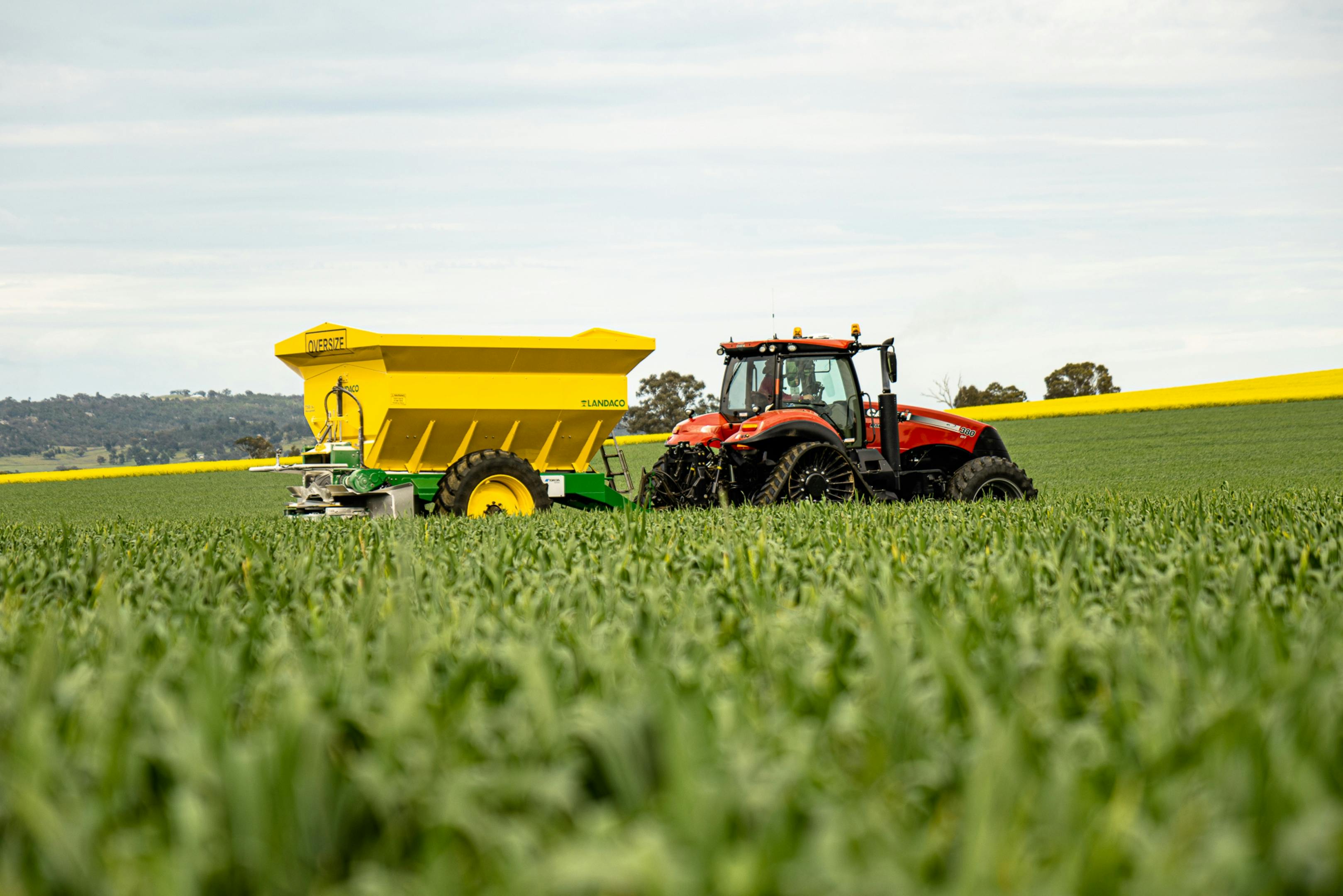
Fertiliser shortages to have dramatic effect on food prices, says Grosvenor Group
Powerful property and farming firm warns the knock-on effect of the Iran war could hit global food prices next year.
Rising fertiliser costs spark concern for farmers
Fertiliser shortages linked to the ongoing Iran conflict have pushed prices up by as much as 70%, according to the Grosvenor Group, one of the UK's largest landowners and farming businesses.
Mark Preston, executive trustee of the Grosvenor Group, said fertiliser prices had already been elevated before the recent geopolitical disruption caused another major surge.
“Farmers are not buying that fertiliser, they’re sitting on their hands and hoping things will improve, which they probably won’t.”
The shortages are being driven largely by disruption around the Strait of Hormuz, a critical global shipping route for fertiliser and energy products.
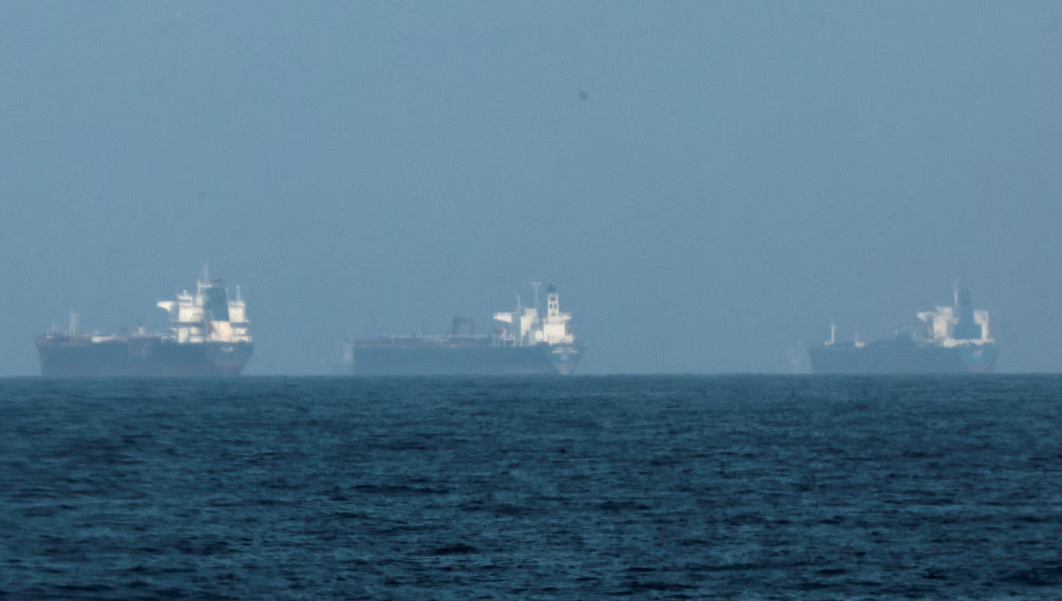
Strait of Hormuz disruption affecting global supply
The effective closure of the Strait of Hormuz has significantly reduced the movement of fertiliser products and liquefied natural gas, both essential for nitrogen fertiliser production.
Around 1,600 vessels are reportedly stranded due to the disruption.
Preston warned that while this year’s crops may avoid major impacts because much of the fertiliser has already been applied, the consequences could become more severe in 2027.
“It’s going to be a very dramatic problem for the world, not just the UK in terms of food, because so much fertiliser comes through those straits.”
Nitrogen-based fertilisers such as urea rely heavily on natural gas supplies, and alternative global sources remain limited.
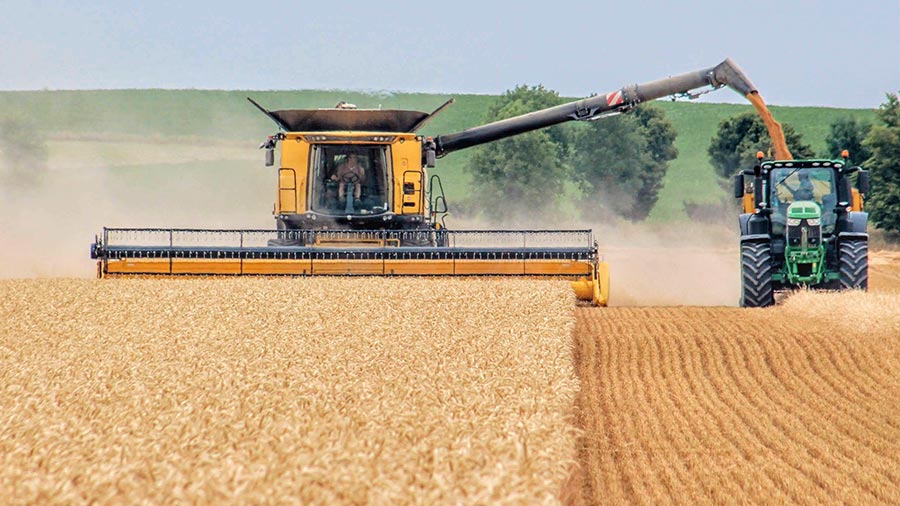
UK farmers may shift cropping strategies
The Grosvenor Group said some farmers may move towards more spring cropping next season to reduce reliance on expensive fertiliser inputs.
The business operates large dairy and arable estates across Cheshire, Lancashire, and Scotland, including the Eaton Estate, which produces milk for companies including Tesco and Müller.
Preston noted that Grosvenor itself may be less exposed than some businesses because parts of its farming operations rely more heavily on organic manure and slurry rather than synthetic fertilisers.
Global food inflation fears growing
The warning follows recent comments from fertiliser giant Yara International, which also raised concerns about food shortages and price increases, particularly in vulnerable regions of Africa.
Research by Opinium found that 80% of people in Britain are concerned about rising grocery prices as retailers continue passing increased costs onto consumers.
Analysts expect the scale of future food price rises to depend heavily on how quickly shipping routes through the Gulf region return to normal operation.
About Grosvenor Group
The Grosvenor Group is controlled by the Duke of Westminster and owns extensive rural land holdings as well as major property assets in London, including parts of Mayfair and Belgravia.
The company reported underlying profits of £70.5 million last year and continues investing in both property development and social housing projects across north-west England.